
February 28, 2024
Y4CA Equips 35 Young Advocates to Lead Climate Action
Thirty-five young people completed three days of climate-advocacy training and began developing locally grounded action plans eligible for implementation funding.
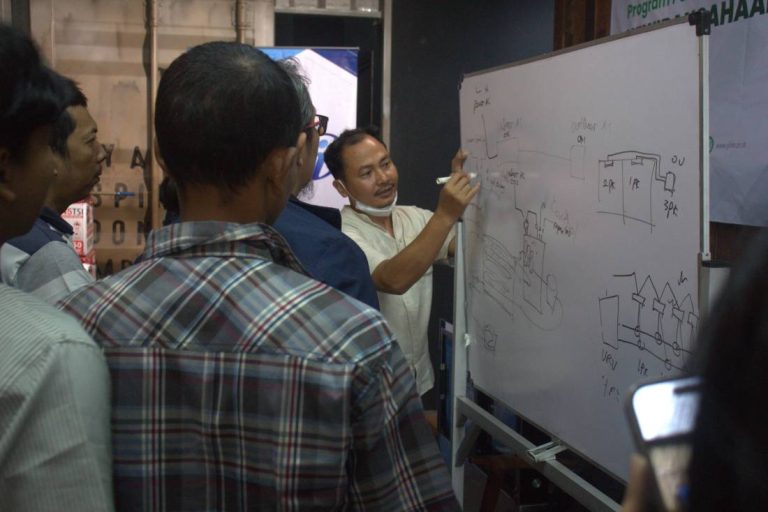
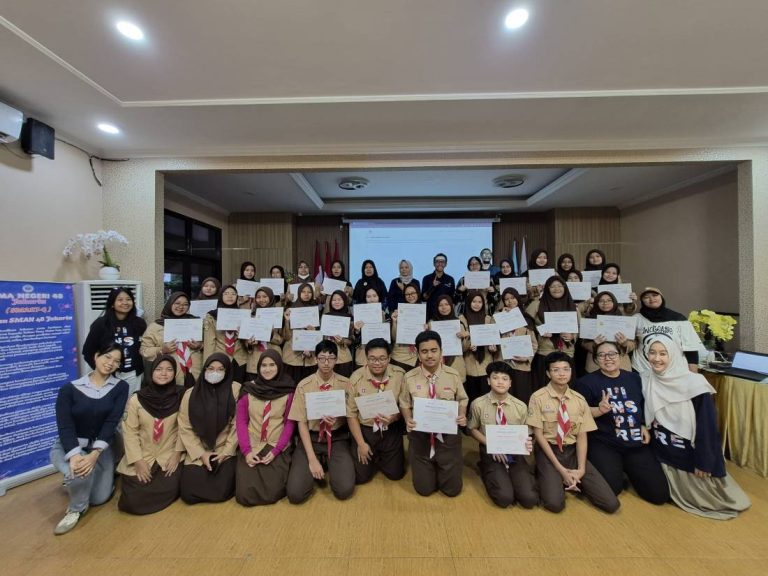

From 23 to 25 February 2024, Yayasan Inspirasi Indonesia Membangun (YIIM), IBU Foundation, and U-Report, with support from PT Insight Investments Management, held climate-change advocacy training in Bandung through the Youth Advocacy for Climate Action program, known as Y4CA.
Children and young people are among the groups most affected by climate change, yet they also have an important role in shaping solutions. Y4CA was created to empower people aged 15 to 24 in Bandung and surrounding areas. Using a co-creation approach, the broader program supported ten youth-led organizations working on social and environmental action.
Thirty-five participants completed the three-day training. Materials adapted from UNICEF’s Youth Advocacy Guide covered the causes and effects of climate change, the foundations of advocacy, meaningful participation compared with tokenism, maintaining mental health as an advocate, stakeholder mapping, credibility, and the preparation of advocacy plans.
Participants then translated the lessons into concrete action plans that could be implemented locally or at a wider scale. The planning process included identifying a climate problem, setting clear objectives, mapping relevant stakeholders, and designing an effective advocacy strategy.
Y4CA did not end with classroom learning. The program offered funding support for selected action plans so young people could conduct local workshops, social campaigns, environmental projects, and other climate-related advocacy activities. This support was intended to ensure that promising ideas could be implemented and generate measurable community engagement.
By combining knowledge, practical planning, mentorship, and funding, the program enabled participants to act as agents of change in responding to the climate crisis. The initiative also formed part of Insight’s social and environmental responsibility commitment and the continuing work of YIIM and Insight to support sustainable development.
Salam Inspirasi!