June 27, 2023
Sewing Training Equips Women at Pondok Bambu With Livelihood Skills
Ten women completed ten days of practical garment-making training, progressing from pattern drafting and machine operation to producing Muslim women’s dresses.
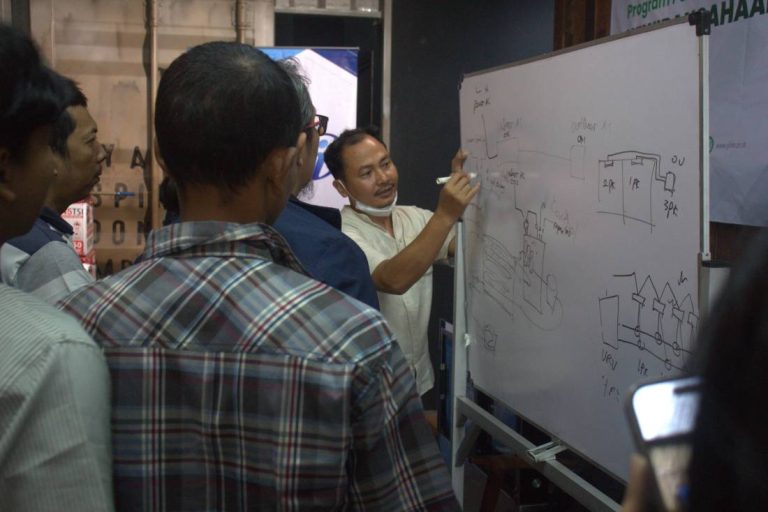
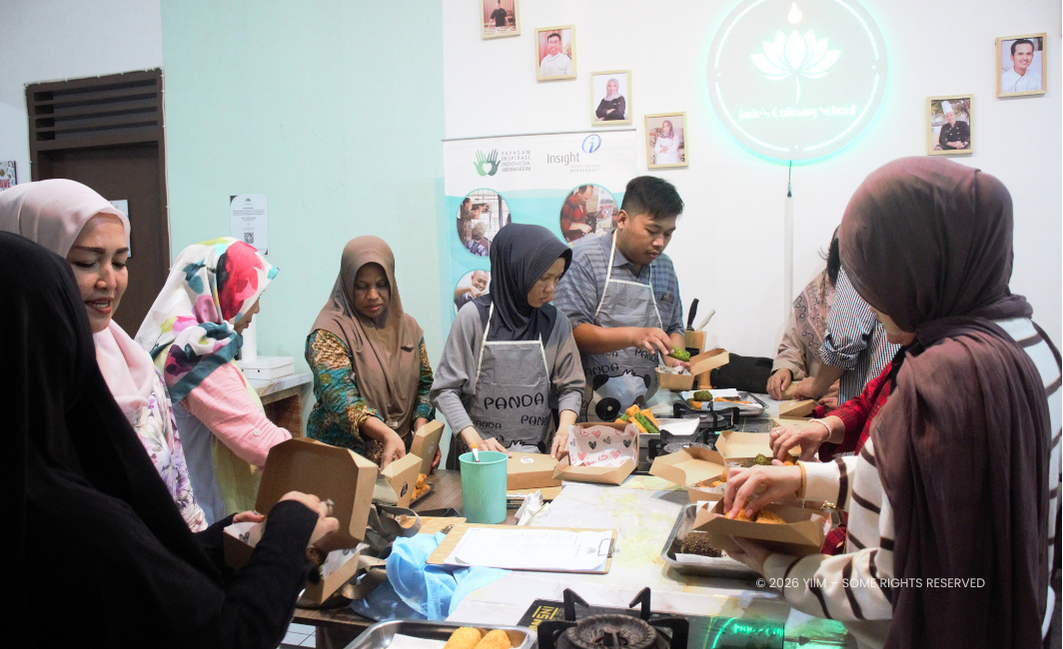


Yayasan Inspirasi Indonesia Membangun (YIIM) and PT Insight Investments Management collaborated with Pondok Bambu Class I State Detention Centre to deliver social-enterprise training in sewing Muslim women’s garments.
The course was held over ten training days, from 12 to 16 July and 19 to 23 July 2023, at the detention centre on Jalan Pahlawan Revolusi No. 38, Duren Sawit, East Jakarta. Ten women between the ages of 27 and 47 participated.
YIIM and Insight initiated the sewing course after considering its potential for individual and group microenterprises. The program aimed to equip participants with practical skills they could use productively while completing their sentences and later apply when returning to their families and communities.
Participants began by learning to draw patterns, take body and fabric measurements, cut material, operate sewing machines, and select appropriate thread, needles, scissors, and supporting tools. Across the course, they progressed from fundamental techniques to producing several models of Muslim women’s dresses.
At the opening on 12 July, Chrisbiantoro, Chair of the YIIM Executive Board, explained that sewing could provide detention-centre residents with valuable additional skills. He encouraged participants to use the knowledge during the remainder of their detention and later as correctional clients or fully reintegrated community members.
Muhammad Isnaeni Setiawan said that Insight’s social-funding scheme was committed to supporting correctional residents to become independent and productive. Together with YIIM, Insight hoped the training would create meaningful opportunities for the participants’ futures.
The course was led by Uripah, an experienced sewing entrepreneur and instructor. She had taught at PKBM Negeri 16 Rawasari, PKBM 2 Karet, and SMK Said Hakim in Tanah Abang, held a national sewing-course qualification, and completed ready-to-wear entrepreneurship training. She also operated a sewing business with three employees in Cempaka Putih Timur, Central Jakarta.
Uripah described the ten-day course as a strong foundation and encouraged participants to continue practicing so they could improve product quality and eventually establish businesses. Participants received training certificates as evidence of completion.
YIIM and the detention centre conducted pre-tests and post-tests to assess candidates and learning outcomes. The initial assessment found high motivation but limited understanding because sewing was new to many participants. Post-test results showed clear progress and stronger understanding of the material.
Dewi Sondari, Head of Pondok Bambu Class I State Detention Centre, explained separately that participation also helped the institution assess residents’ willingness to engage constructively in development programs. She hoped the course would provide useful skills, a positive portfolio, and better outcomes for productive rehabilitation.
The initiative contributes to SDG 1: No Poverty, SDG 8: Decent Work and Economic Growth, and SDG 17: Partnerships for the Goals.
Salam Inspirasi!