
August 8, 2026
Safeguarding Earth and Food Security through Resilient and Sustainable Systems
Food security reaches far beyond securing tomorrow’s market harvest; it [...]
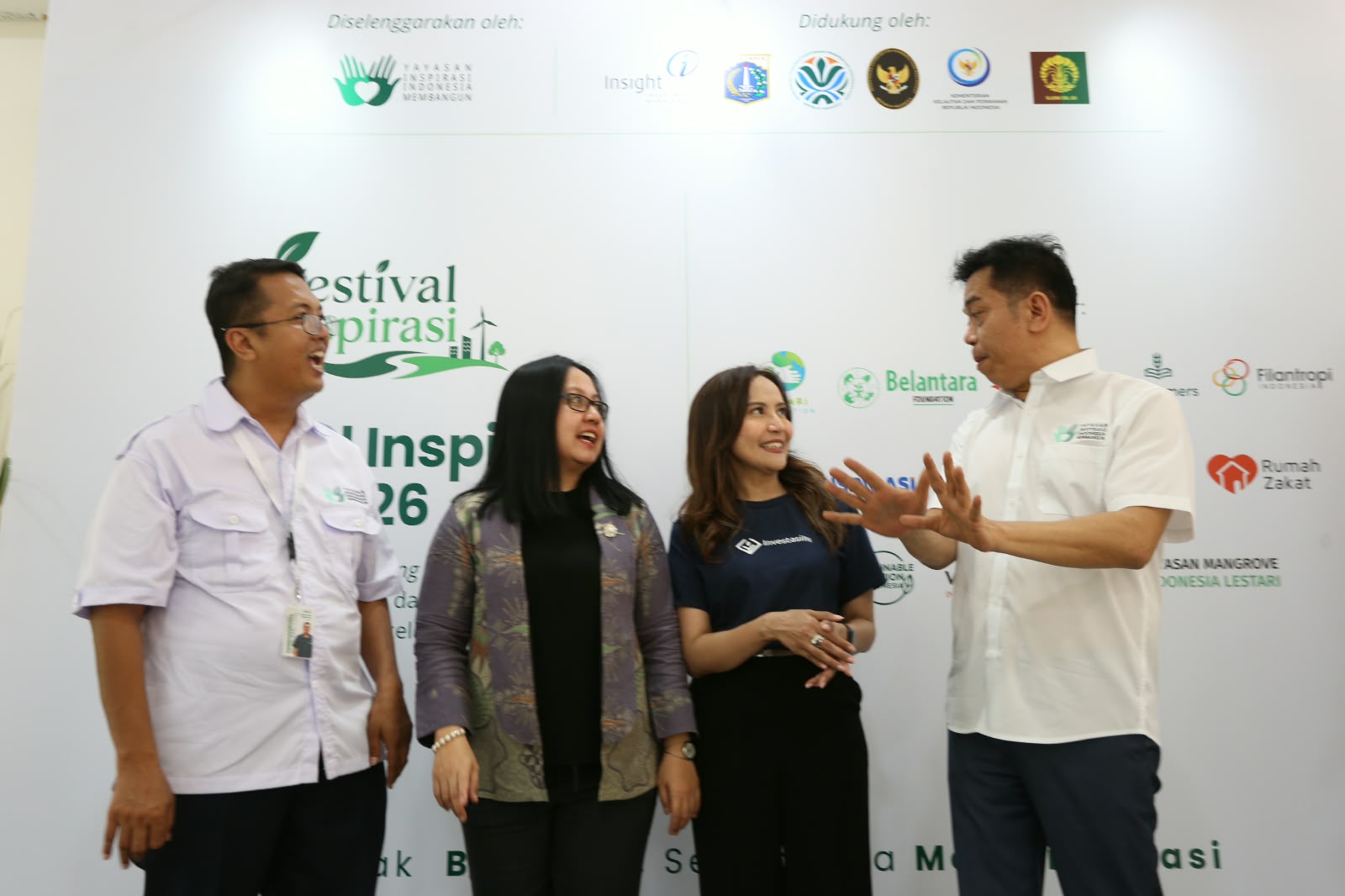
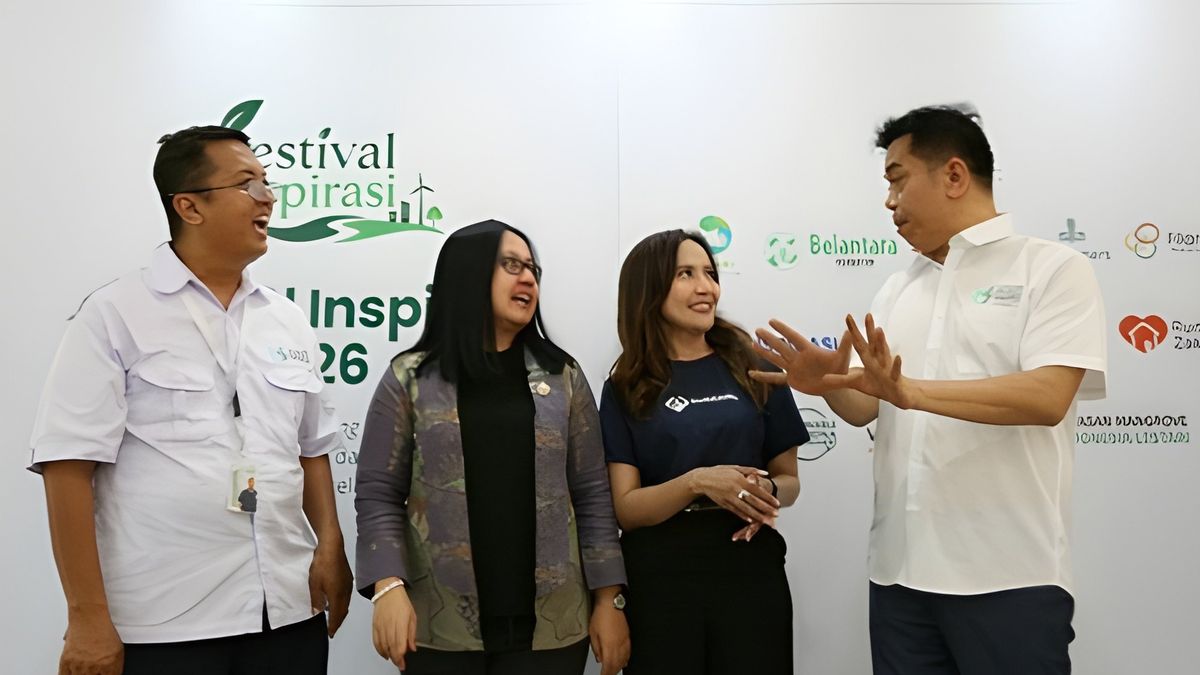
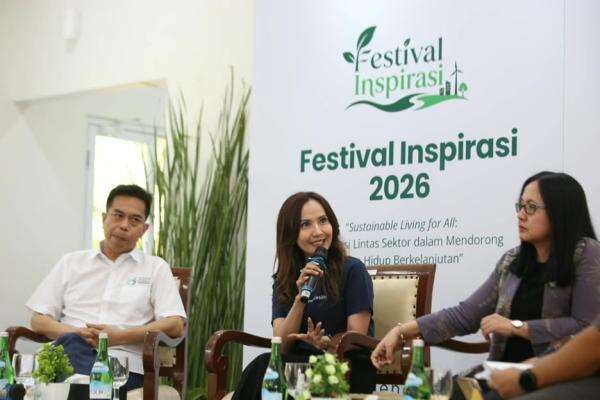
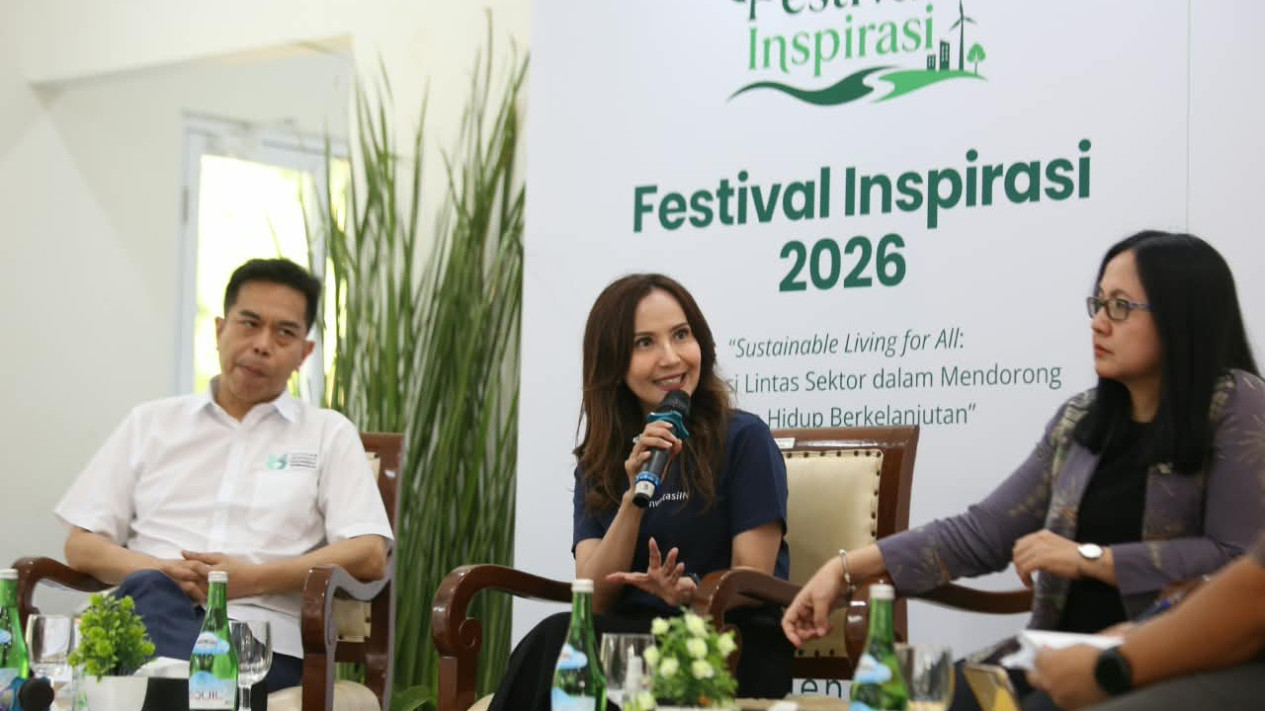
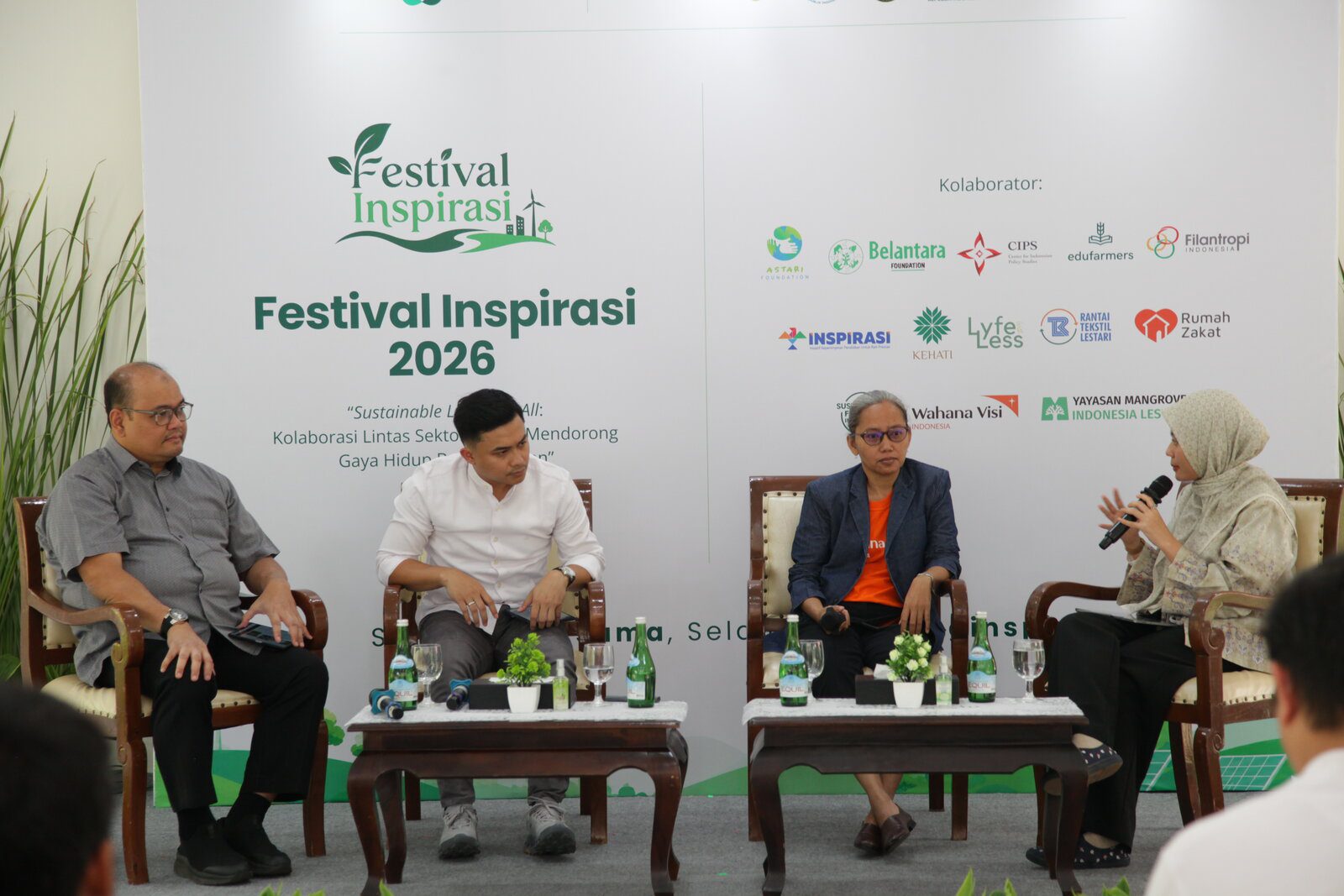
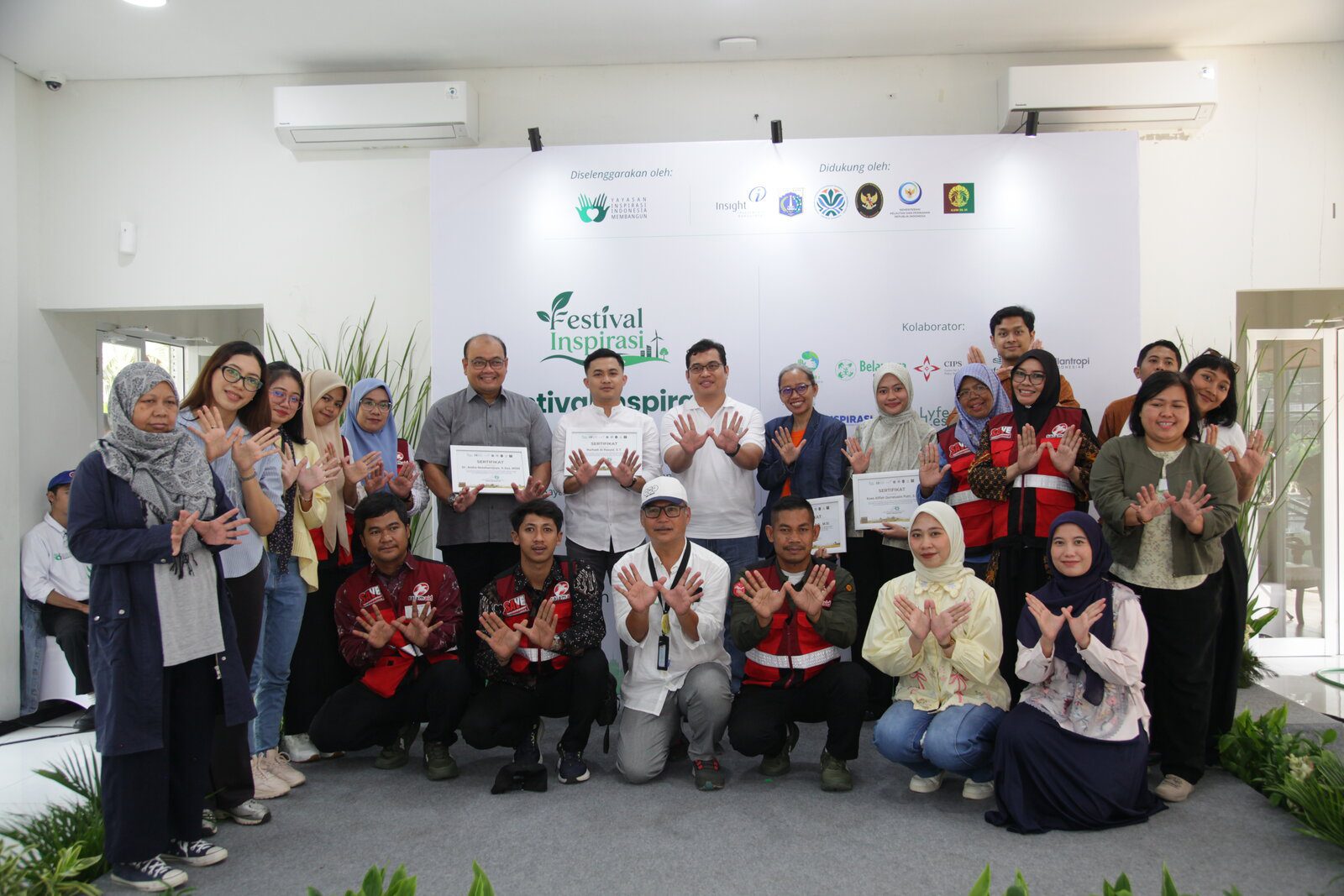
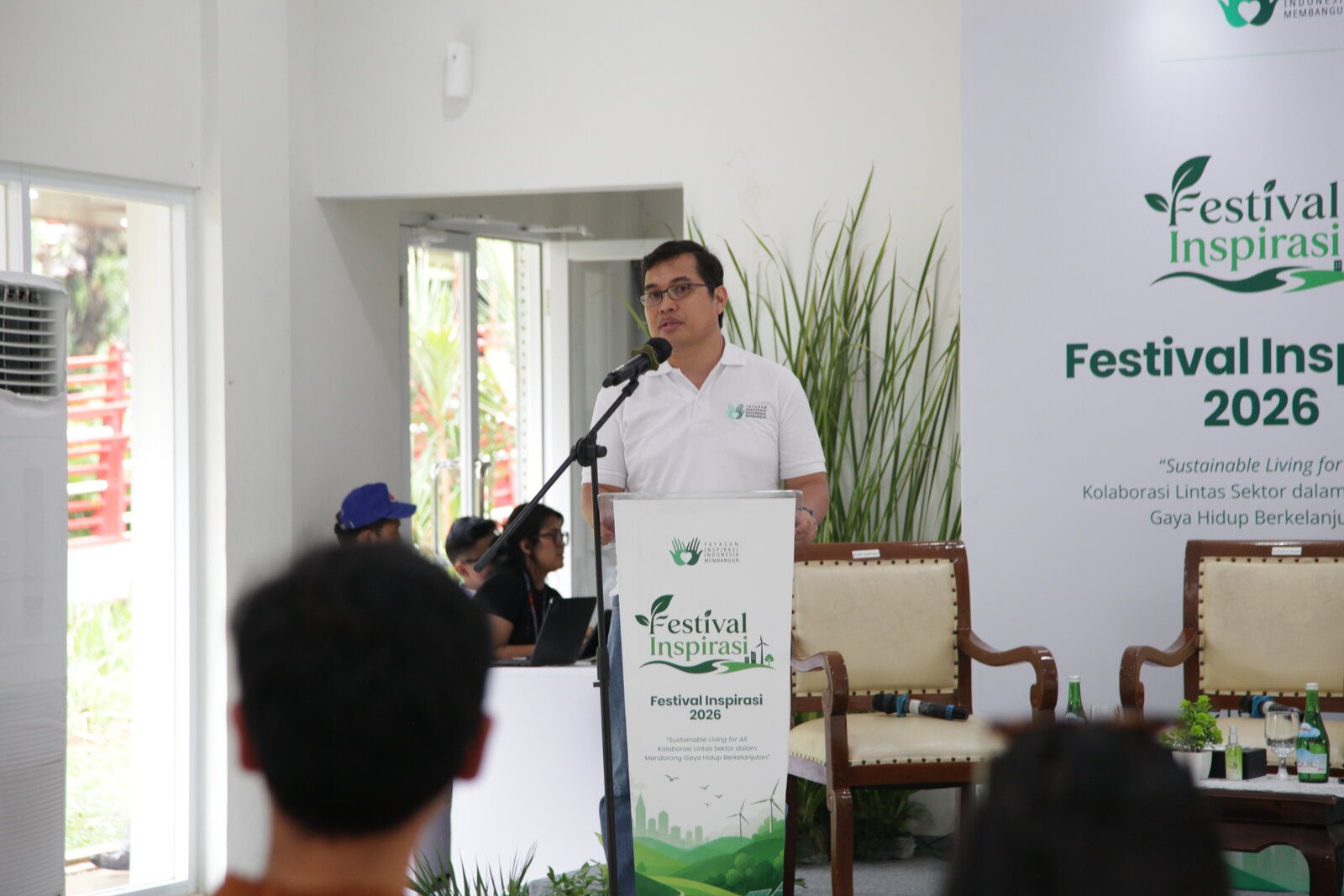
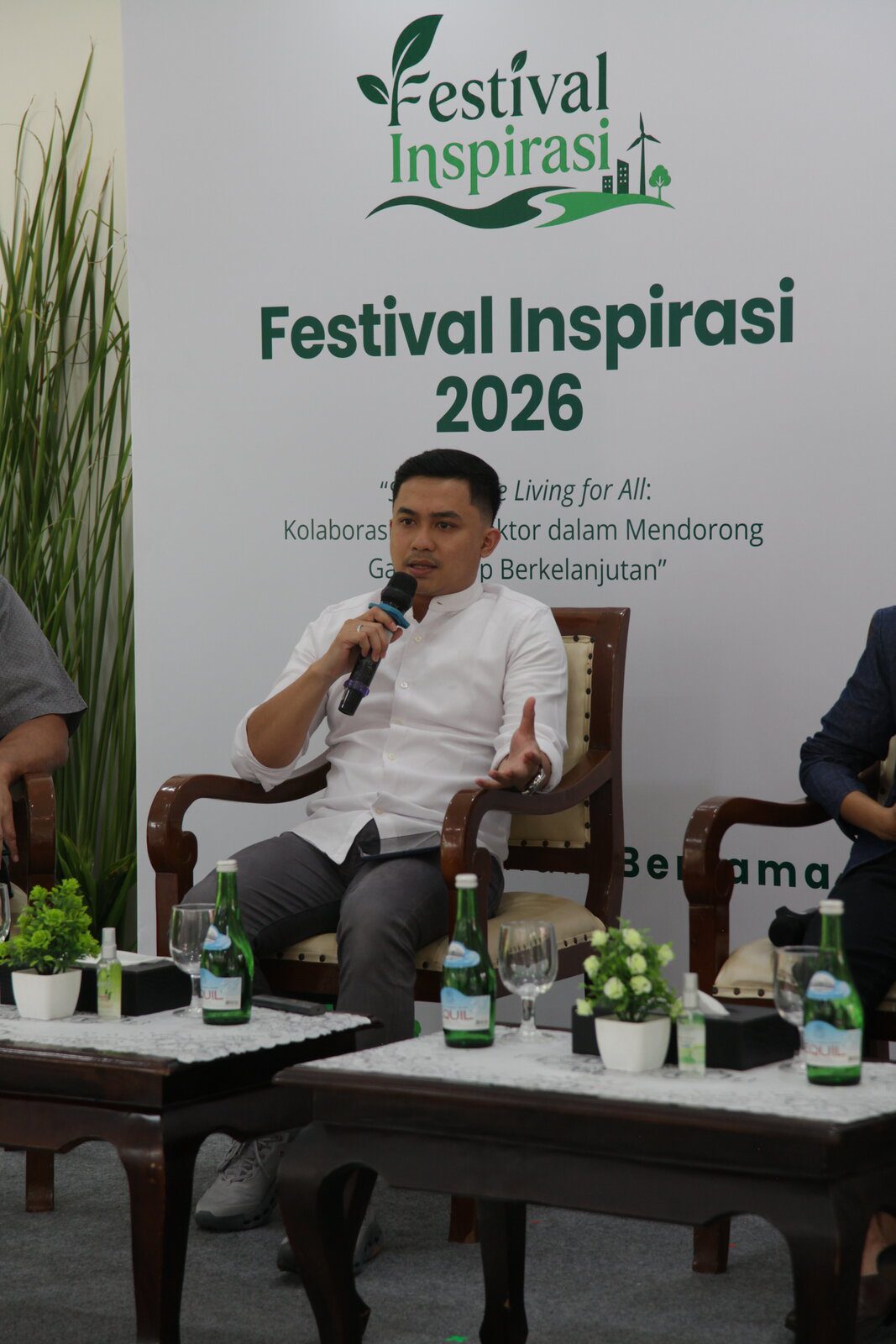
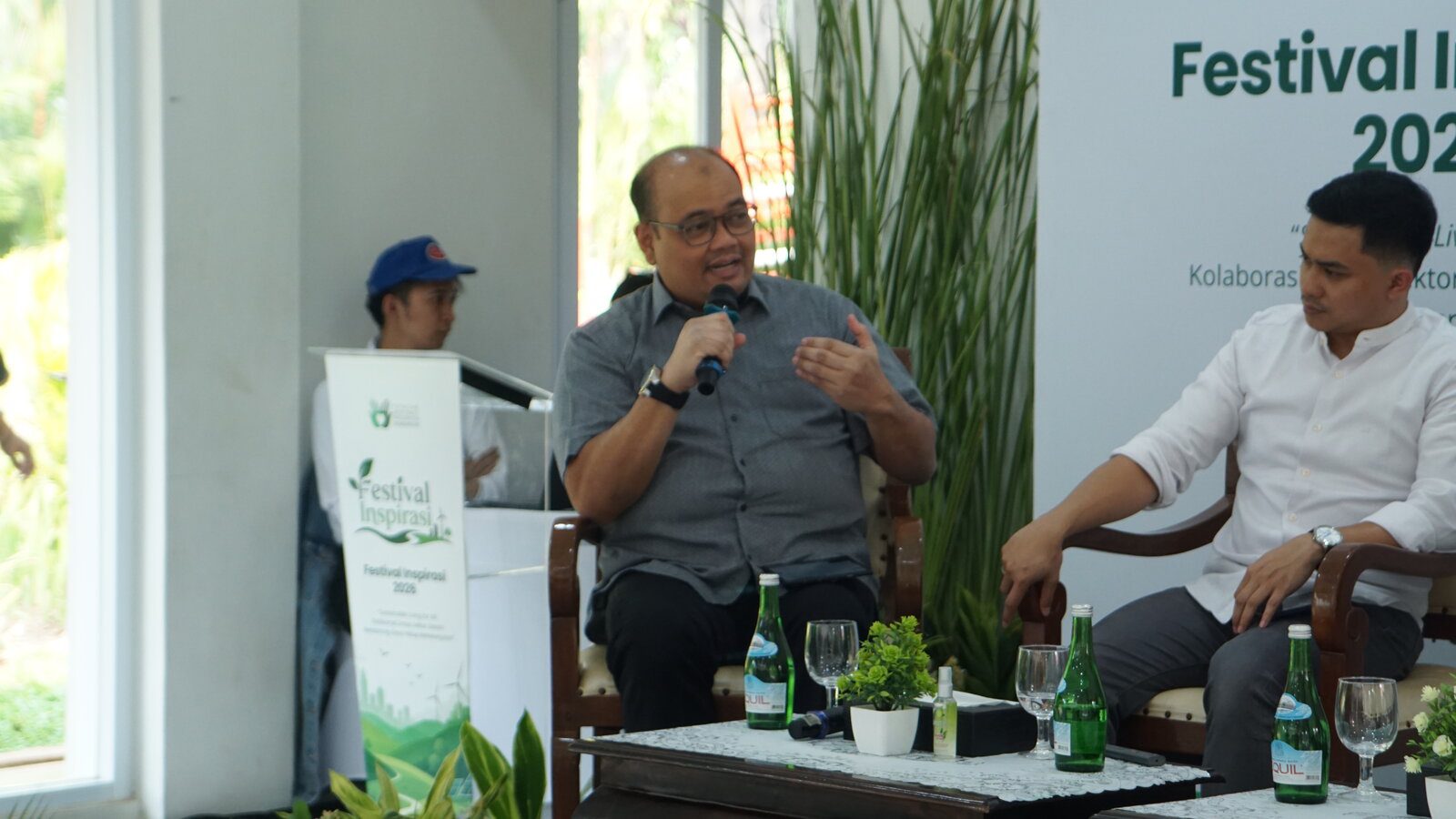
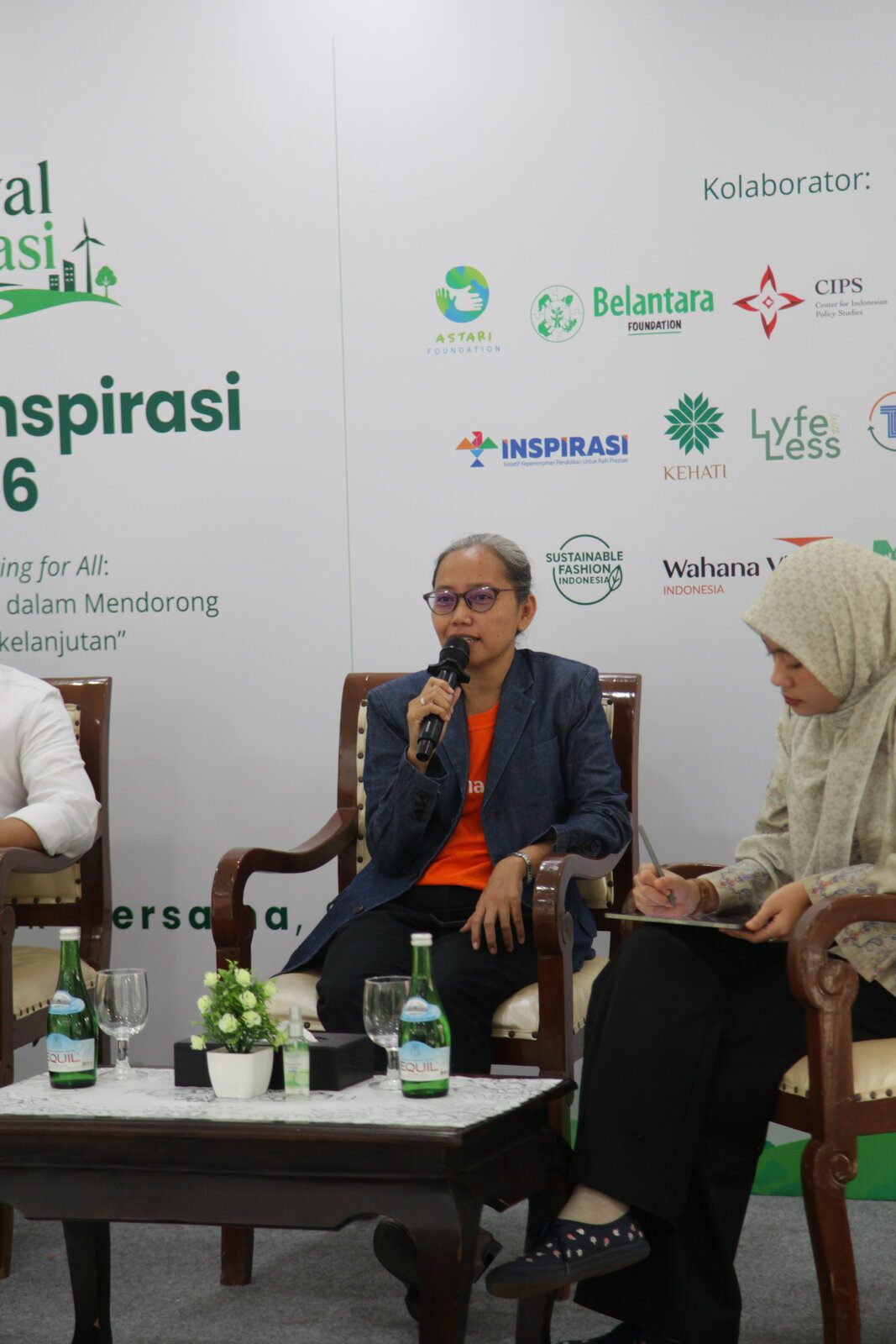
Food security reaches far beyond securing tomorrow’s market harvest; it hinges on building resilient food systems that withstand accelerating climate volatility. This critical challenge anchored the discussion during the panel session titled “Safeguarding Earth, Securing Food: Collaborative Solutions for Food Resilience Amid Environmental Pressures” at Festival Inspirasi 2026, hosted at Taman Bendera Pusaka, South Jakarta, on Saturday, August 8, 2026.
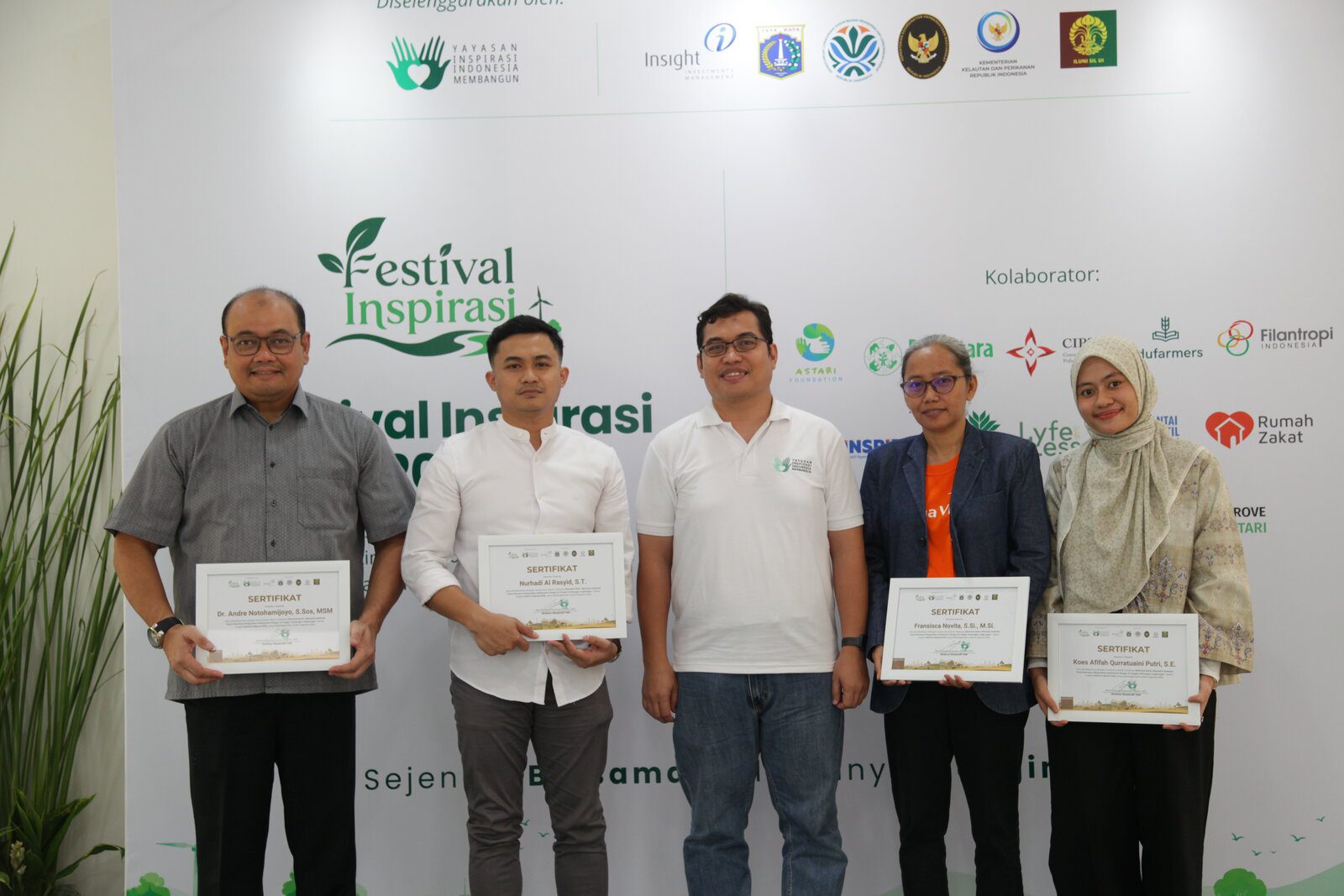
The panel brought together three distinguished practitioners across environmental and development spheres: Dr. Andre Notohamijoyo, S.Sos., MSM. (Chair of the Alumni Association of the School of Environmental Science, Universitas Indonesia / ILUNI SIL UI), Fransisca Novita, S.Si., M.Si. (Livelihood Resilience Manager at Wahana Visi Indonesia), and Nurhadi Al Rasyid, S.T. (Head of Agriculture Solutions at Yayasan Edu Farmers International). The dialogue was moderated by Koes Afifah Qurratuaini Putri, S.E., Research and Policy Associate at CIPS Indonesia.
Climate Volatility and Agricultural Vulnerability
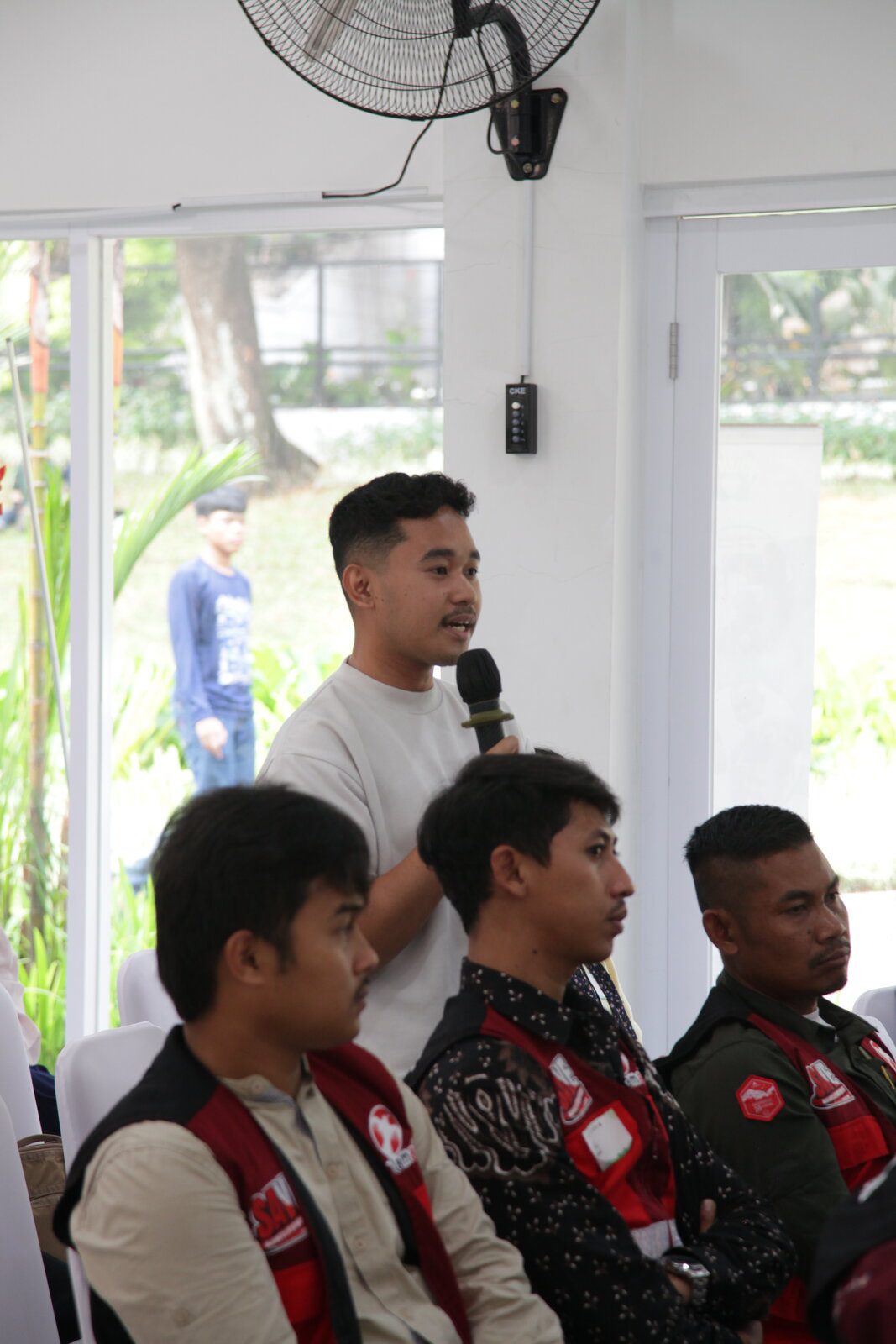
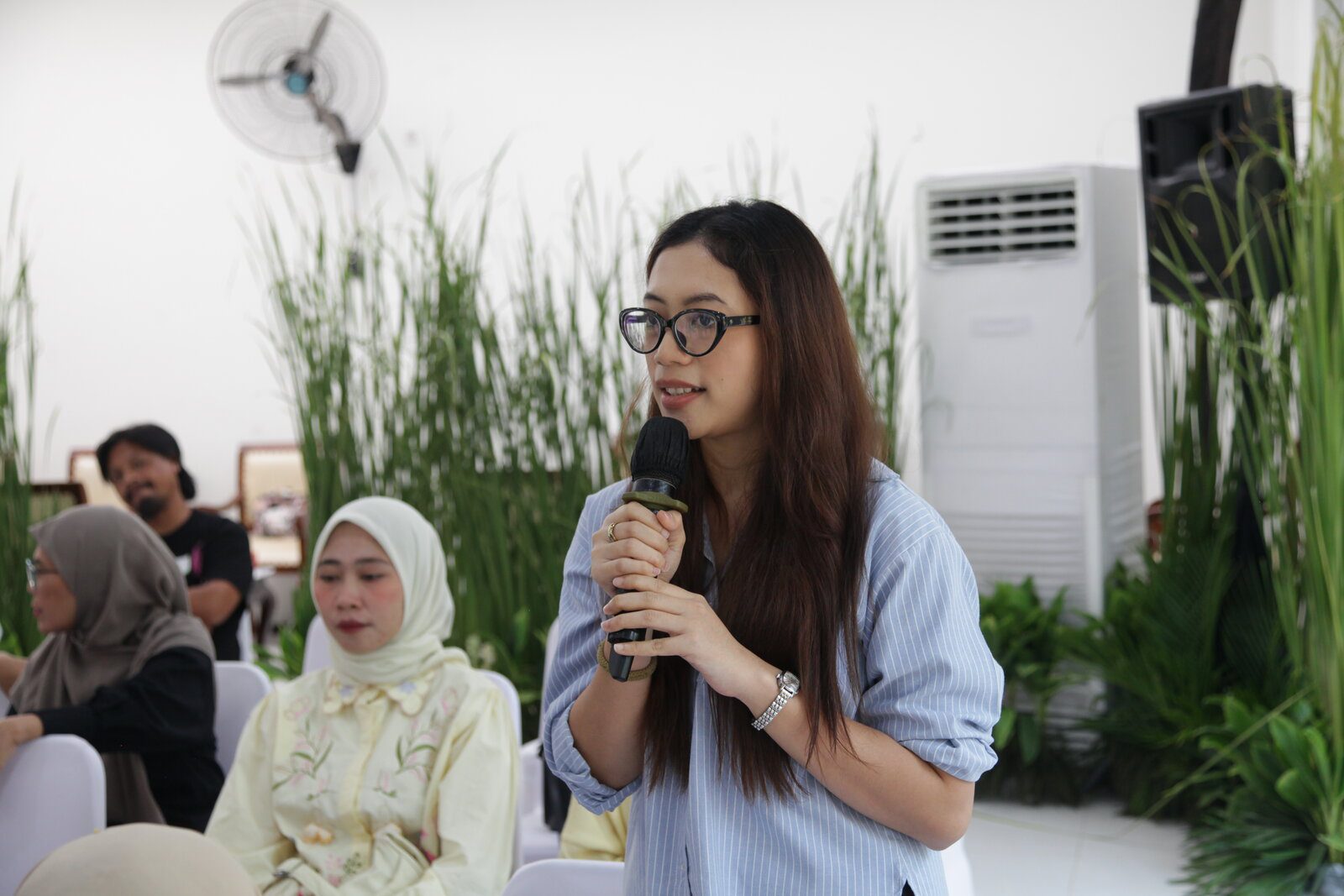
Thirty participants spanning social advocates, environmental researchers, community leaders, and the general public joined the session. The speakers guided attendees through the direct links between ecosystem degradation, unpredictable weather patterns, disrupted distribution channels, and rising malnutrition risk among vulnerable households.
Environmental shocks are no longer distant forecasts. Extended droughts and severe inundations directly cut agricultural yields and drive up daily vegetable and grain prices across local markets.
Floating Nutrition Gardens and Indigenous Food Sovereignty
Addressing these disruptions, the panelists highlighted proven, field-tested methodologies. Among the standout initiatives presented was the Floating Nutrition Garden (*Kebun Gizi Apung*). This technique enables riverine and flood-prone communities to cultivate essential vegetables on buoyant rafts without relying on dry arable land.
Alongside adaptive farming systems, speakers emphasized the revitalization of local crops. Relying on indigenous, climate-tolerant food varieties shortens distribution routes, curbs transport emissions, and reduces dependence on external food supplies.
The conversation also underscored the vital role of women and marginalized groups. Mothers and female community leaders manage household nutrition daily. When equipped with resource-efficient farming techniques and balanced nutrition awareness, the resilience of whole neighborhoods strengthens.
Regenerative Agriculture for Long-Term Soil Health
Upstream, regenerative agriculture offers a sustainable remedy for soils exhausted by decades of excessive chemical inputs. This approach rebuilds soil organic matter, improves moisture retention, and restores soil biology for coming generations.
Shifting toward regenerative practices requires sustained field assistance:
- Restoring soil ecosystems: Practicing minimal soil disturbance and applying natural compost to nurture beneficial microbial activity.
- Supporting farmers through transition: Building farmer confidence through gradual demonstration plots to prevent sharp yield dips during initial phases.
- Multi-sector alignment: Bridging academic agronomy research, state food policy, philanthropic capital, and fair market access for smallholder growers.
Through this panel, Festival Inspirasi 2026 reiterated that caring for natural ecosystems and securing family food access are inseparable missions. Creating durable food security requires collaborative stewardship so that every household enjoys access to wholesome, culturally relevant, and sustainable nutrition.
This initiative directly supports the Sustainable Development Goals, specifically SDG 2: Zero Hunger, SDG 12: Responsible Consumption and Production, SDG 13: Climate Action, SDG 15: Life on Land, and SDG 17: Partnerships for the Goals.
Salam Inspirasi!
Additional Photo Documentation