September 3, 2026
Tepus Farmers Strengthen Food Security Through Climate Education and Soil Testing
Farming in the karst landscape of Gunungkidul demands precise cultivation [...]
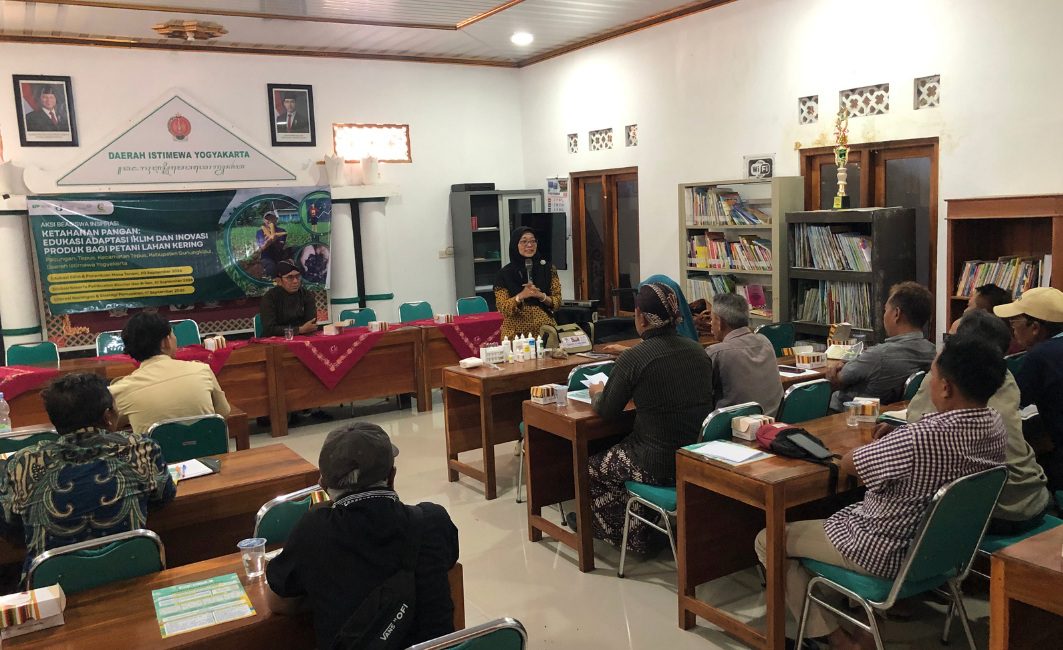
Farming in the karst landscape of Gunungkidul demands precise cultivation strategies to withstand severe dry spells and shifting seasonal cycles. Addressing these conditions, local farmers in Tepus Village took part in comprehensive climate adaptation and soil testing training on Thursday, 3 September 2026.
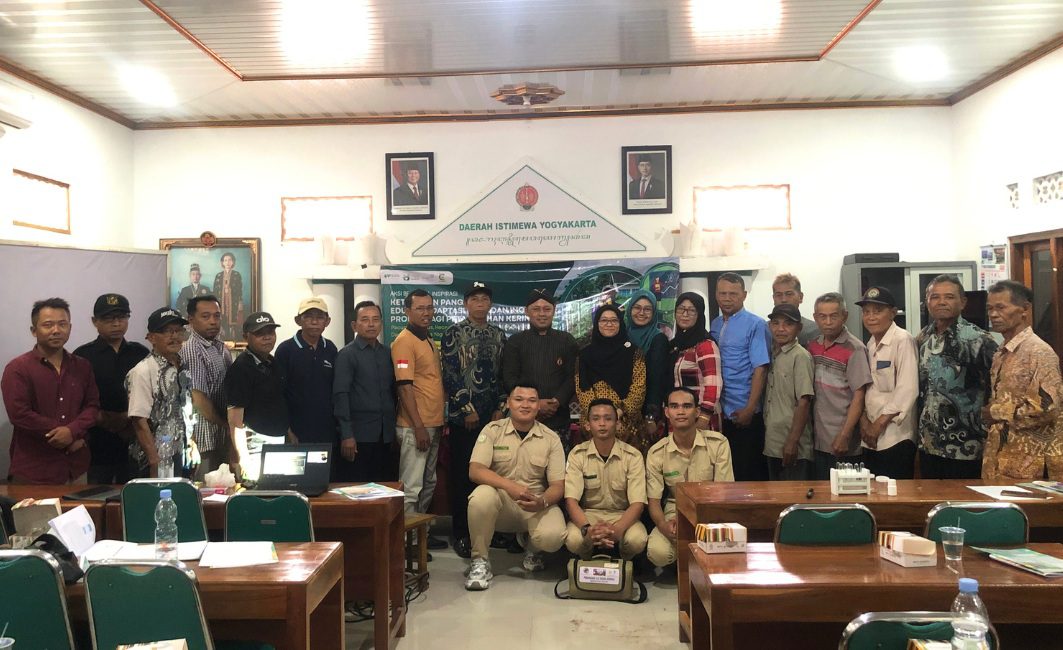
Held at the Tepus Village Hall, the initiative was organized by the Indonesian Inspiration Building Foundation (YIIM), PT Insight Investments Management, and Dana Pensiun Perkebunan (DAPENBUN), in collaboration with the UP2M team from Politeknik LPP Yogyakarta. The field event formed part of the Beasiswa Inspirasi Action Program, actively engaging scholarship recipients, the Tepus District Government, and local farming groups.
Climate Adaptation and Cropping Calendars
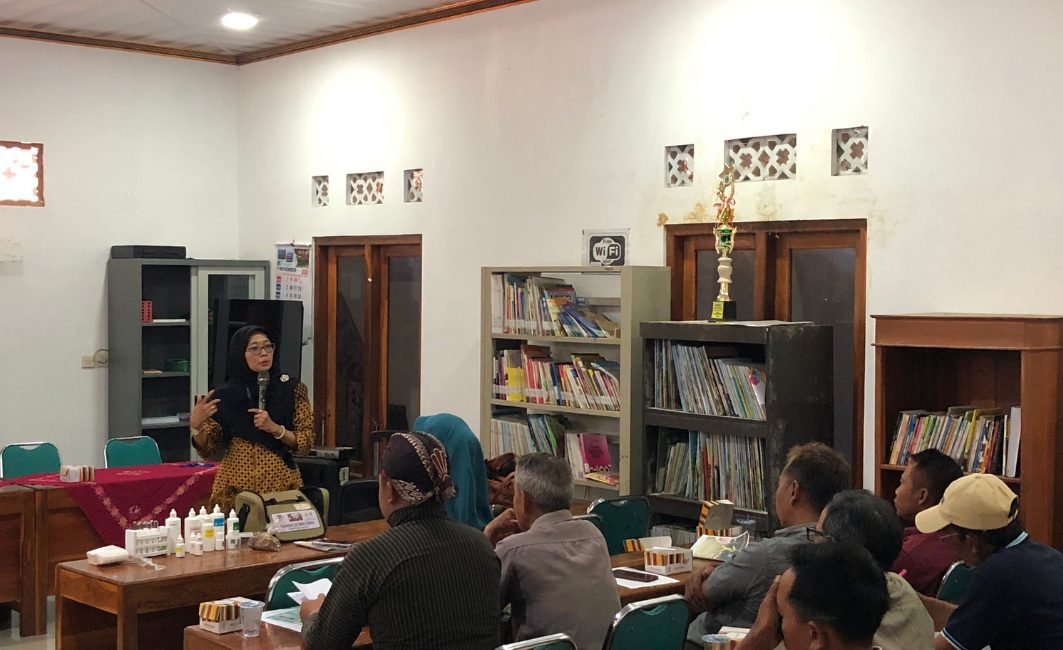
The Head of Tepus District, Hendro Pratopo, S.IP., and the Head of UP2M Politeknik LPP Yogyakarta, Dr. Anna Kusumawati, S.P., M.Sc., officially opened the workshop. Both highlighted the need for practical scientific methods to safeguard dryland crop yields amid declining soil nutrient levels.
Participants learned to interpret climate data from the Meteorology, Climatology, and Geophysical Agency (BMKG) alongside integrated cropping calendars. This practical guidance helps farmers schedule soil tillage and seed planting accurately, reducing the risk of harvest failure caused by extreme weather patterns.
The farmers showed notable engagement, recording a 9 percent increase in technical comprehension as average test scores rose from 8.47 in the pre-test to 9.24 in the post-test.
Karst Soil Diagnostics and Targeted Fertilization
Moving beyond classroom concepts, farmers conducted hands-on soil diagnostics across a 1,000-square-meter demonstration plot. They utilized the Dryland Soil Test Kit (Perangkat Uji Tanah Kering / PUTK), which provides rapid diagnostic readings of soil pH and essential macronutrient concentrations.
These field readings gave farmers practical data to calculate precise agricultural lime dosages, organic compost amendments, and fertilizer mixtures tailored to the natural traits of dry karst soils.
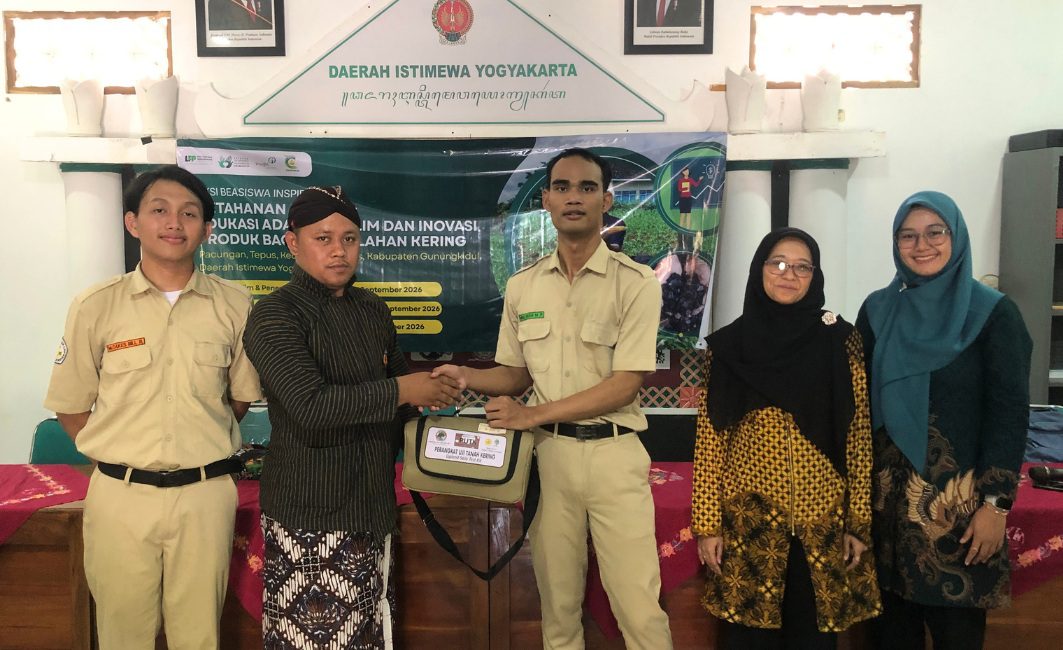
To sustain independent soil monitoring across upcoming planting cycles, the organizers handed over a complete PUTK diagnostic kit to the local farmer collective.
Community Impact Through Scholarship Action
Through the Beasiswa Inspirasi Action Program, scholarship recipients apply classroom agricultural training directly to support rural farming communities. This multi-stakeholder model bridges academic expertise and community needs, advancing resilient, resource-efficient, and sustainable dryland farming.
This initiative supports progress toward SDG 2: Zero Hunger, SDG 4: Quality Education, SDG 13: Climate Action, SDG 15: Life on Land, and SDG 17: Partnerships for the Goals.
Salam Inspirasi!
Additional Photo Documentation