October 13, 2026
When Environmental Action Becomes an Income Source: Koppling Proves Green Initiatives Can Create Value
The waste challenge in Indonesia is not only about the [...]
The waste challenge in Indonesia is not only about the sheer volume generated, but also the limited management of waste at its source. Organic waste, such as leftover food and kitchen scraps, forms a major part of this issue. Yet, this type of waste has the potential to be converted into valuable products when separated and managed properly.
Managing waste at the source has become increasingly urgent with the policy direction of the Bantargebang Integrated Waste Treatment Facility (TPST), which requires that only residual waste be sent to final disposal sites. This shift underscores the importance of reducing and processing waste before it reaches landfills, including through separating and utilizing organic waste at the household and community levels.
However, transforming the waste management system cannot rely solely on policies and processing facilities. Community involvement in cultivating daily habits of waste separation and processing is equally essential.
Addressing this need, the Indonesian Inspiration Building Foundation (YIIM) initiated the Youth Environmental Care Community (Koppling), an initiative that encourages young people to take an active role in establishing environmental management practices in their local areas.
Through collaboration with Karang Taruna, Koppling works to position youth as a vital bridge between environmental education and tangible community action. The program focuses not only on building knowledge, but also on equipping participants to practice and spread waste management methods tailored to their local contexts.
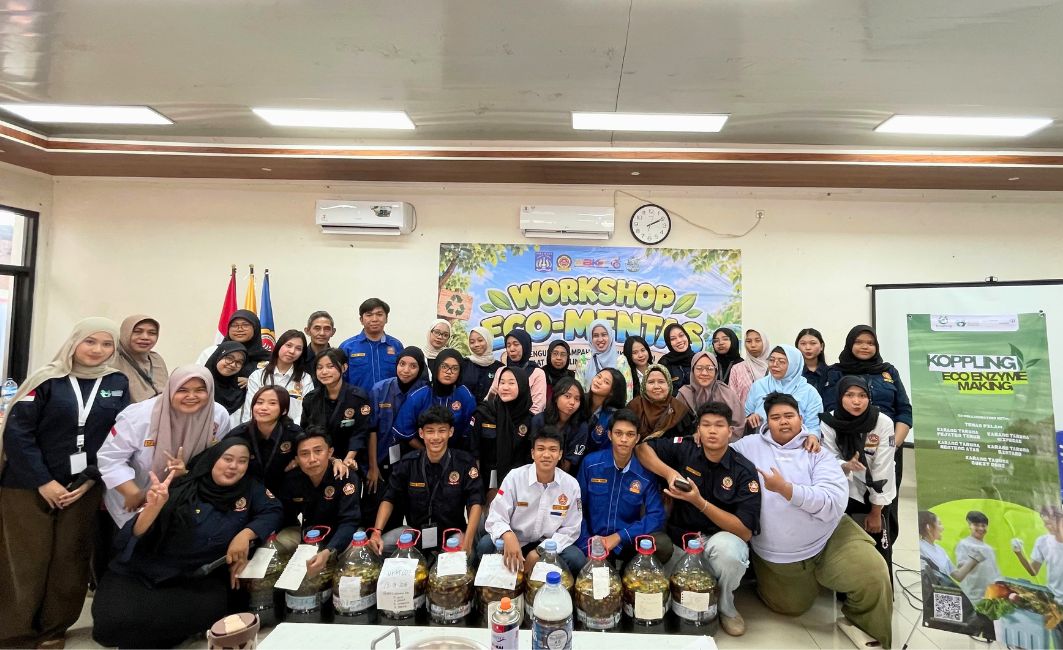
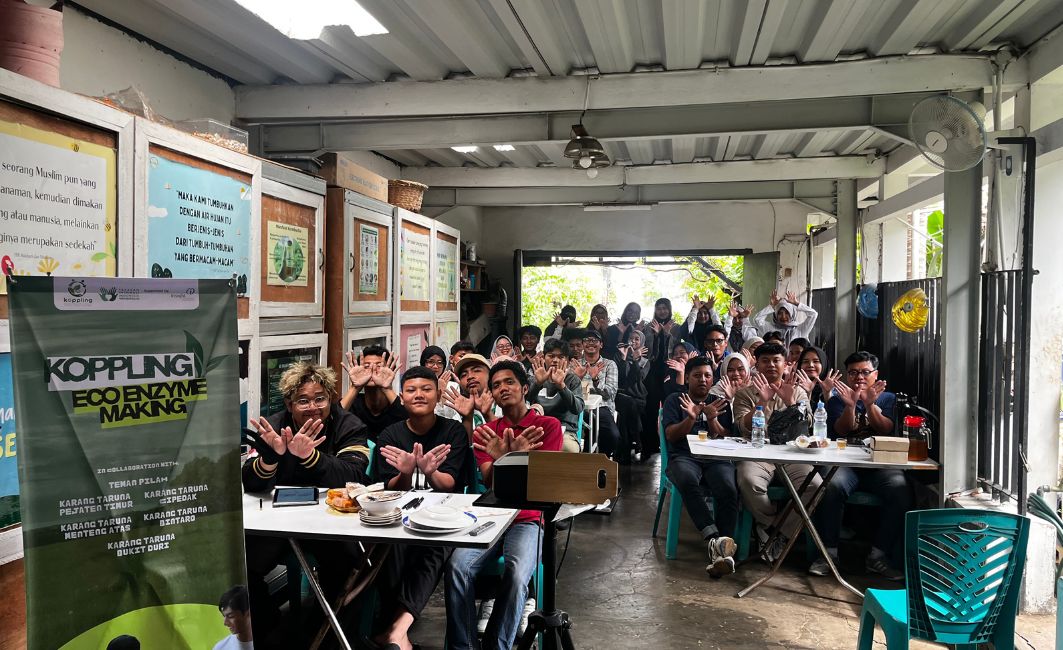
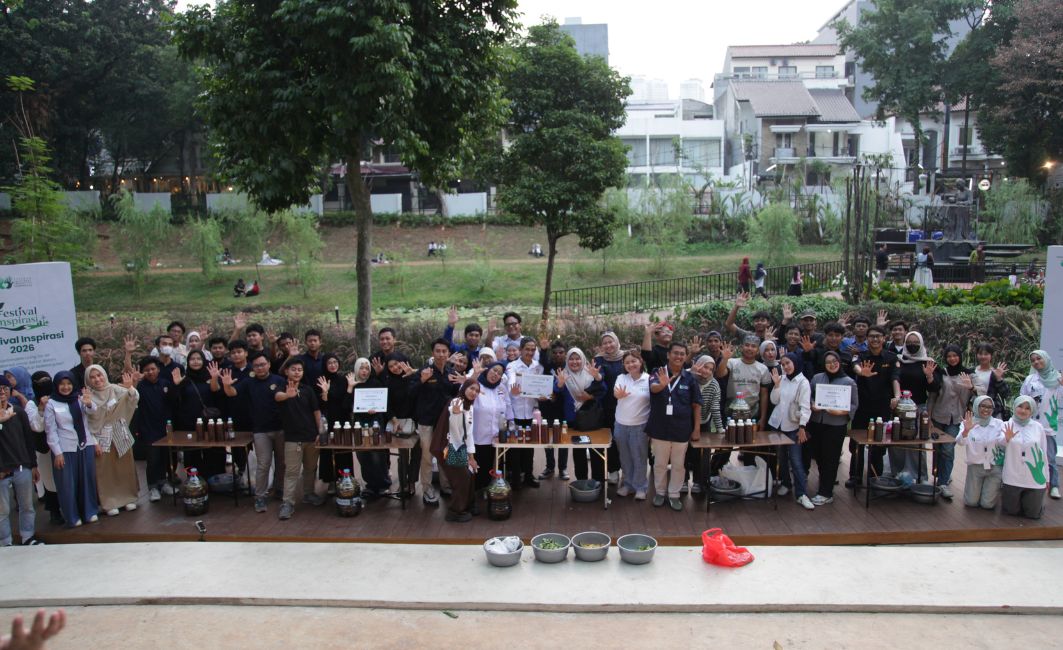
The Koppling journey began with an intensive training session for Karang Taruna representatives from five different areas across South Jakarta, together with facilitator partner Teman Pilah. This training provided practical understanding and hands-on experience in organic waste management, particularly converting organic waste into eco enzymes.
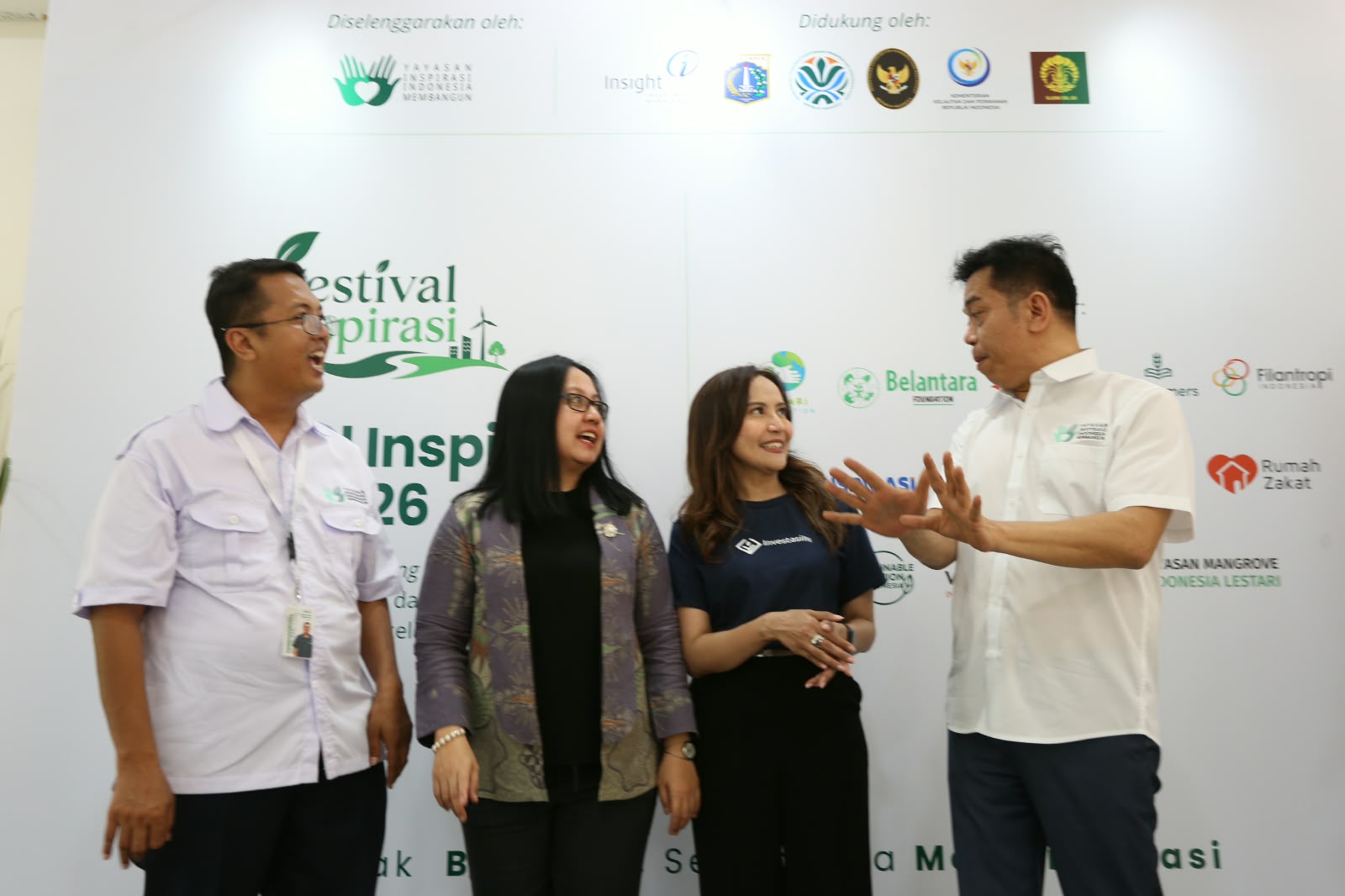
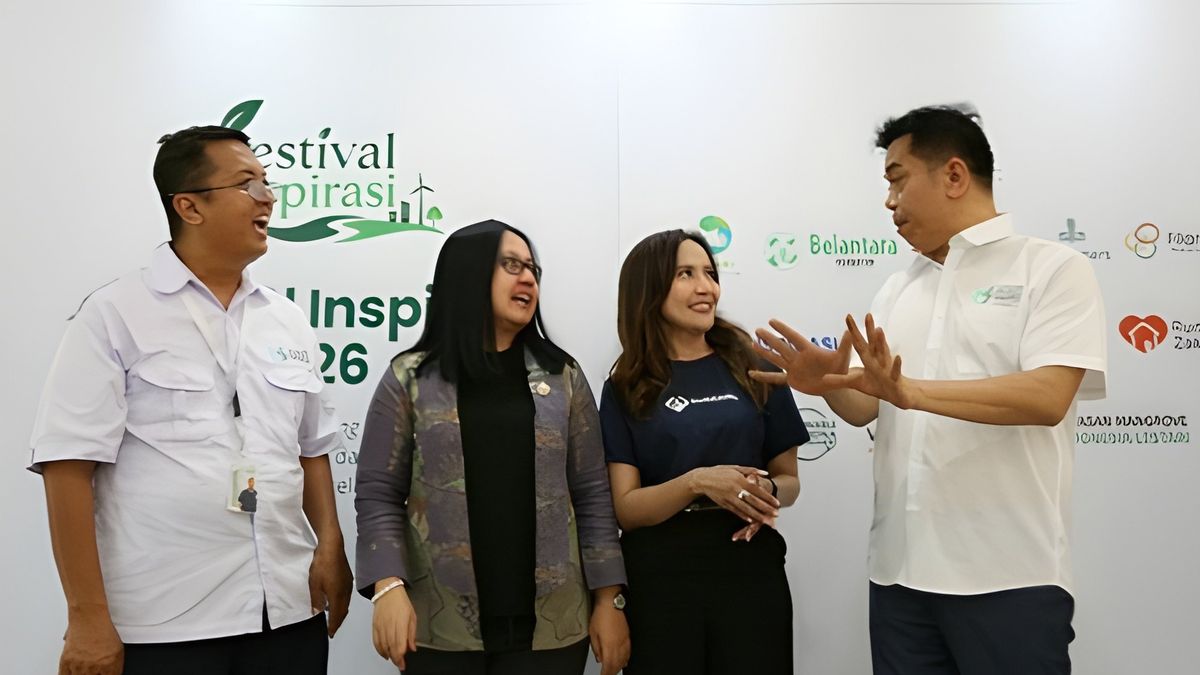
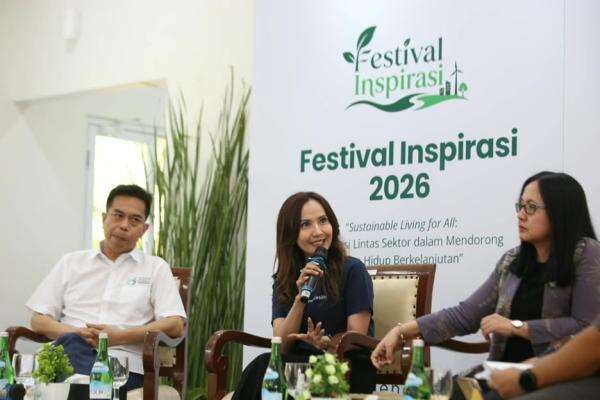
This knowledge was subsequently showcased in the public arena through a live Koppling demonstration at Festival Inspirasi 2026, held at Taman Bendera Pusaka, South Jakarta, on August 8, 2026. Participants demonstrated waste processing techniques while introducing practical alternatives to the wider public.
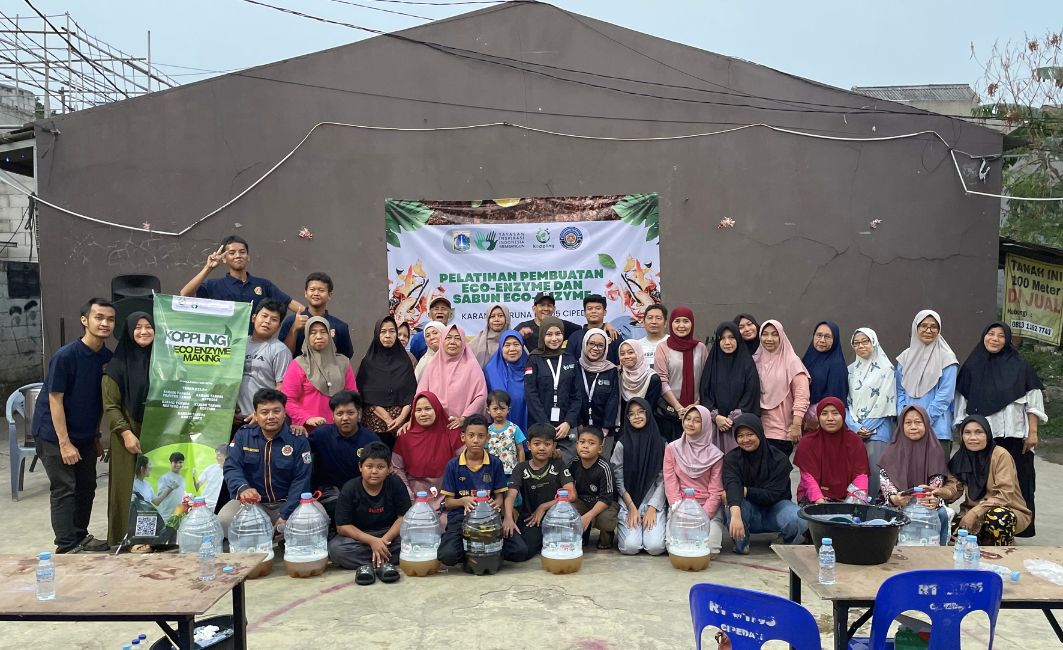
Following the demonstration, participants rolled out follow-up actions in their respective communities through neighborhood workshops and collaborative community practice. Each initiative was adapted to local conditions and needs, ensuring approaches were context-driven rather than uniform.
One of the latest milestones comes from Karang Taruna Cipedak. The eco enzyme processing practices developed through Koppling are now beginning to show tangible economic potential. Karang Taruna Cipedak has started receiving orders for the eco enzyme liquid soap they produce.
This progress illustrates that waste management can deliver ecological benefits while simultaneously creating viable economic opportunities. Through simple learning and consistent practice, youth groups are discovering the potential to turn processed waste into products that meet genuine community demand.
For YIIM, this milestone fulfills Koppling’s objective of empowering youth as catalysts of change who turn knowledge into sustained impact. By connecting education, hands-on practice, and economic potential, Koppling strives to build an environmental movement that endures beyond temporary events and continues to take root across society.
Salam Inspirasi!
Additional Photo Documentation