October 7, 2026
Assessing Stunting Prevention and Health Interventions Through Cross-Sector Dialogue in Cicalengka
Addressing child malnutrition and stunting begins with accurate local data [...]
Addressing child malnutrition and stunting begins with accurate local data and committed grassroots cooperation. Children who receive adequate nutrition during their formative years grow up healthier, sharper, and better prepared to contribute to their communities. Left unchecked, developmental delays can place heavy burdens on vulnerable families and slow wider social progress.
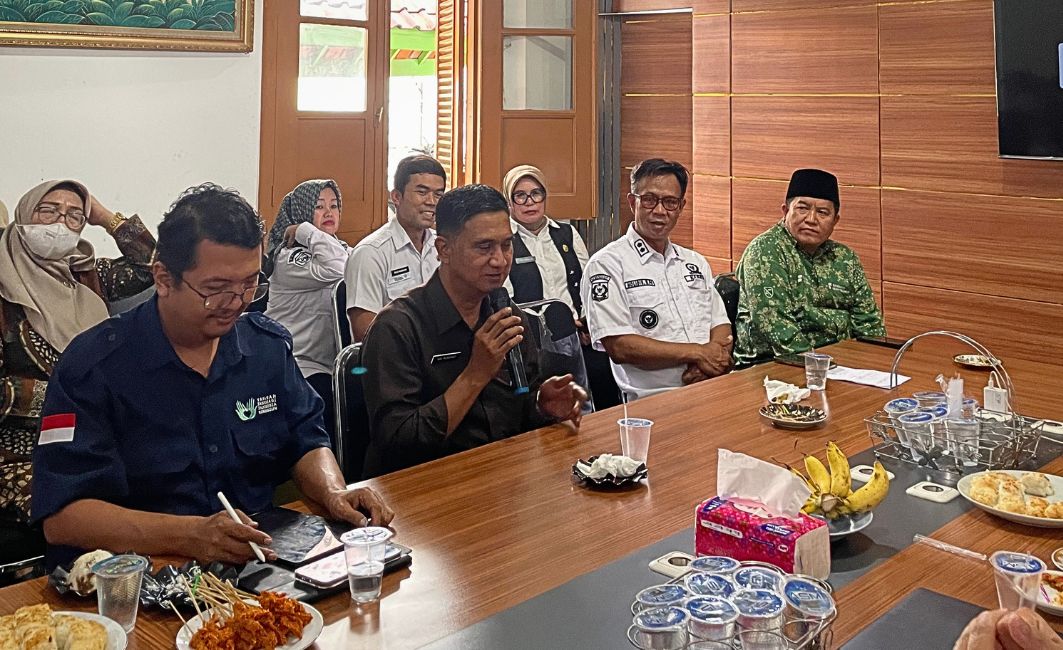
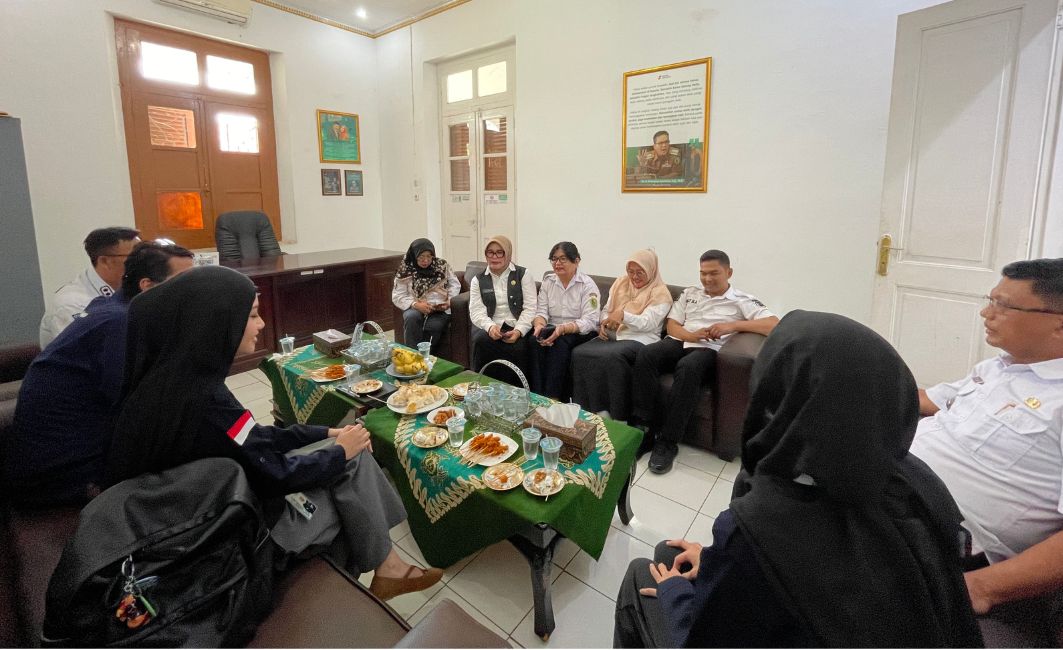
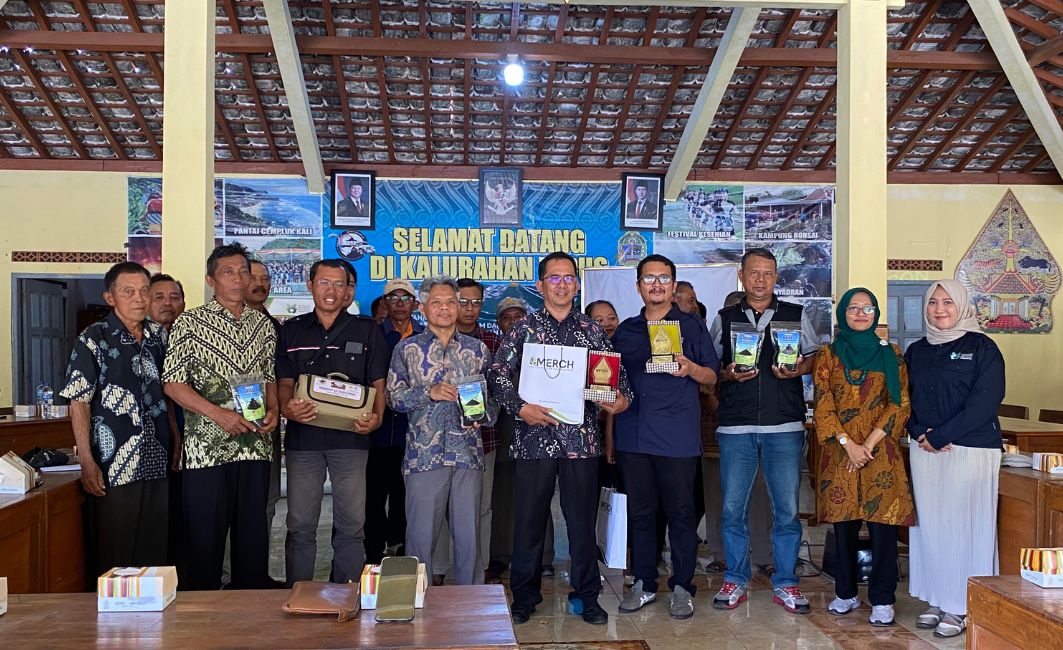
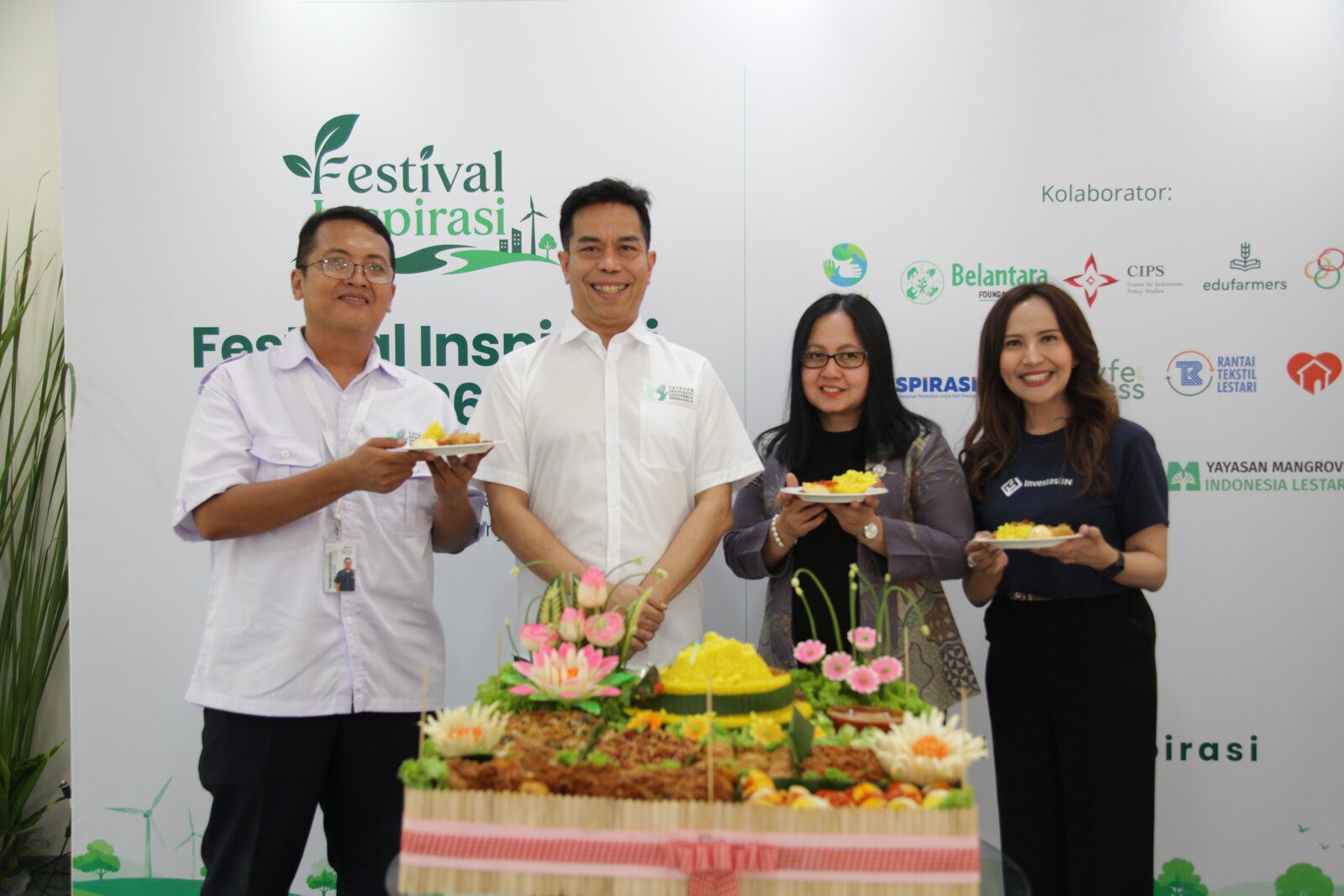
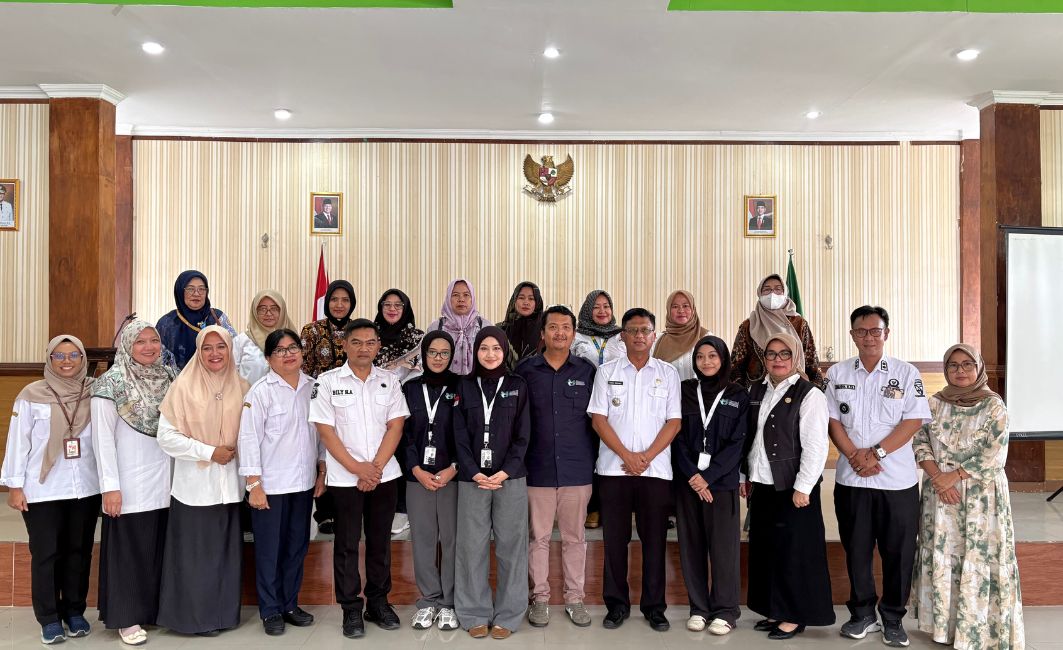
To lay the groundwork for targeted nutritional assistance, the Indonesian Inspiration Building Foundation held a coordination dialogue on Wednesday, October 7, 2026. The meeting convened at the Cicalengka District Office in Bandung Regency, bringing together regional administrators, community leaders, and frontline healthcare professionals.
Synchronizing Field Data and Community Needs
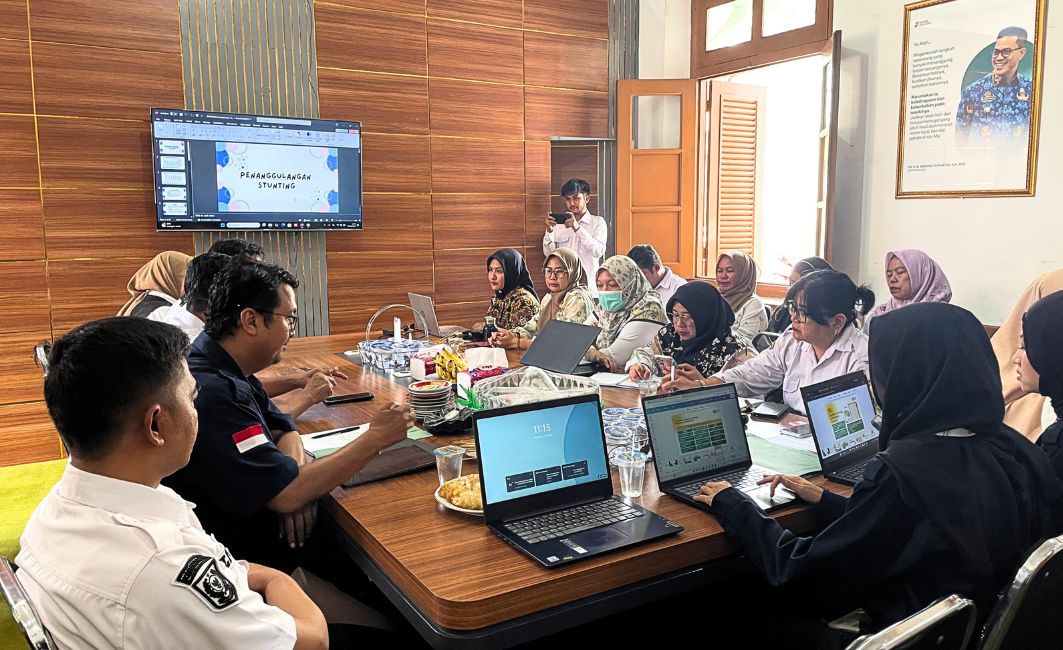
The discussion focused on actual field conditions across surrounding villages. The Head of Cicalengka District joined representatives from municipal agencies, the Narawita Village Head, nutritionists from Sawahlega Community Health Center (Puskesmas), and the Head of the Cicalengka Technical Implementation Unit (UPTD). Participants shared updated figures, ongoing public health initiatives, and immediate obstacles encountered in village clinics.
Healthcare workers from Puskesmas Sawahlega emphasized that reducing childhood stunting requires more than food aid. Daily parenting practices, reliable water sanitation, and regular growth tracking at community health posts (Posyandu) play equally crucial roles. Direct feedback from village officers and medical staff provided a realistic baseline for prioritizing urgent interventions.
Shaping a Sustainable Action Plan
Insights gathered throughout this consultation will serve as the foundation for an upcoming integrated nutrition program. Planned efforts will focus on practical nutrition education for mothers, tailored support for high-risk households, and synchronized health monitoring alongside local public clinics.
This exploratory initiative aligns closely with the United Nations Sustainable Development Goals (SDGs), notably Zero Hunger (SDG 2), Good Health and Well-Being (SDG 3), and Partnerships for the Goals (SDG 17). Close coordination among community institutions, village heads, and health workers will ensure future nutrition interventions reach vulnerable households effectively.
Salam Inspirasi!