August 8, 2026
Less Trend More Impact: Fostering Mindful Consumption and Sustainable Fashion Transformation
Wardrobe choices extend far beyond fleeting trends and personal aesthetics; [...]
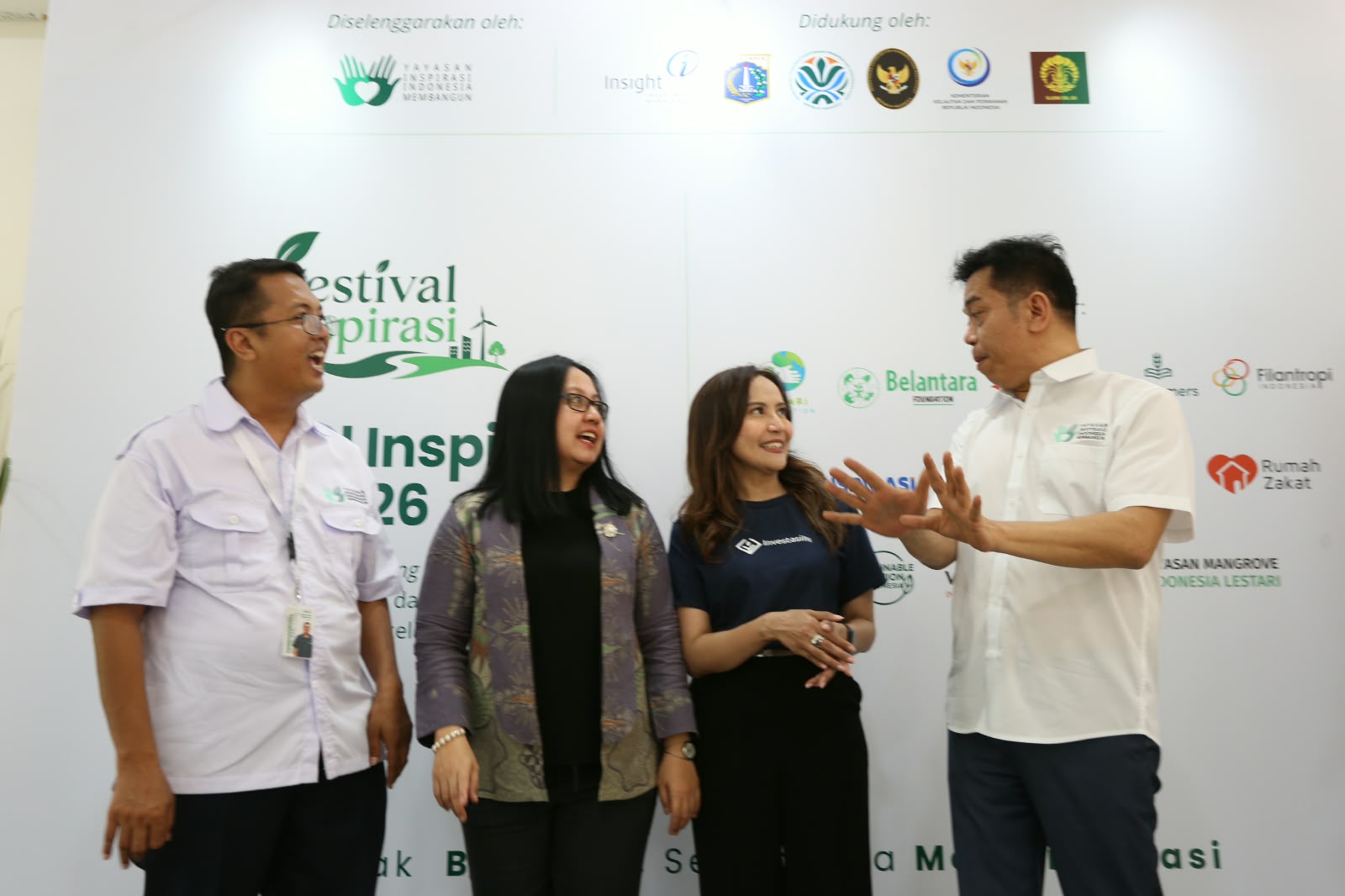
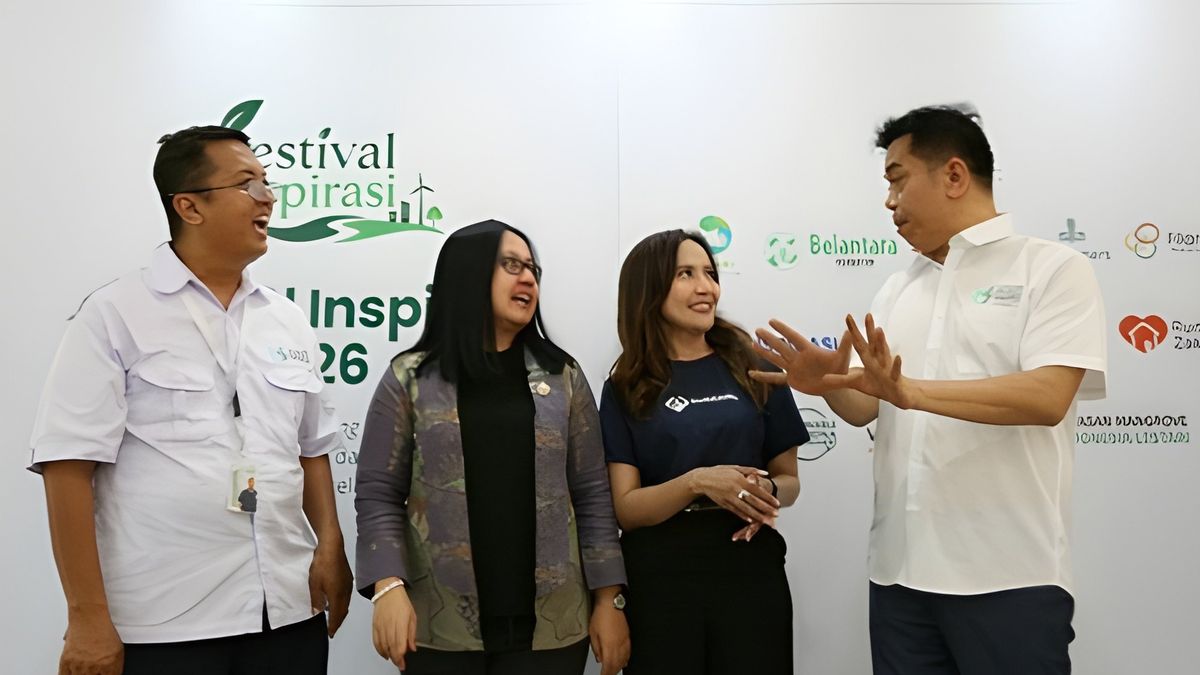
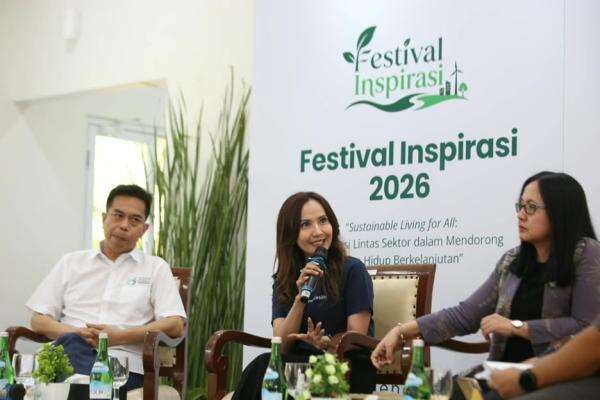
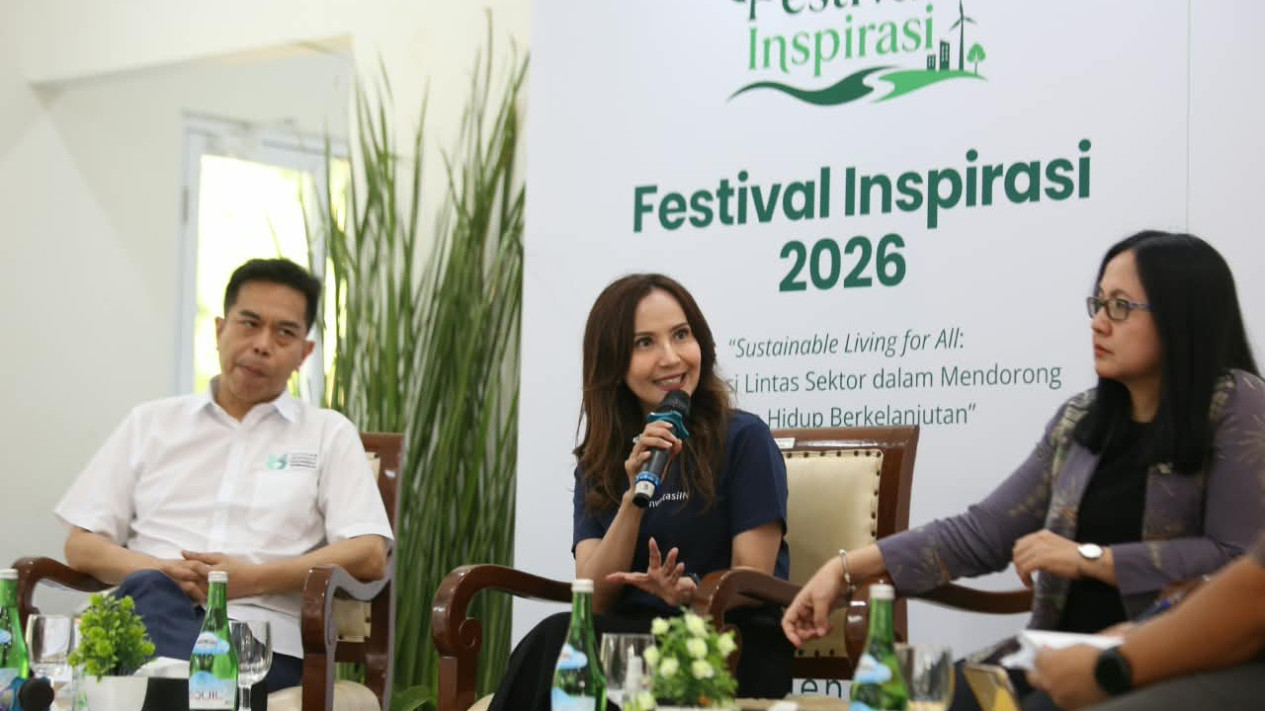
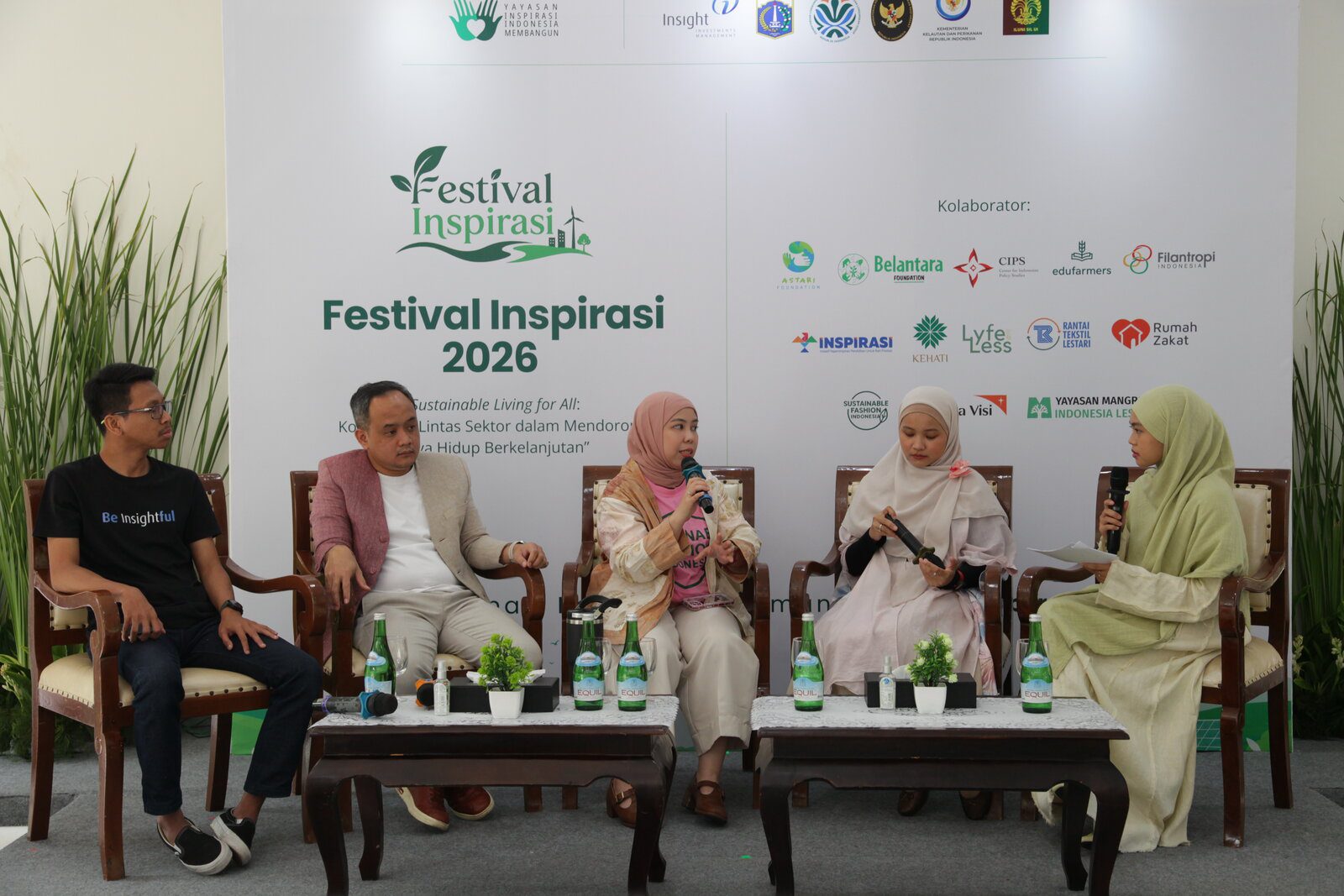
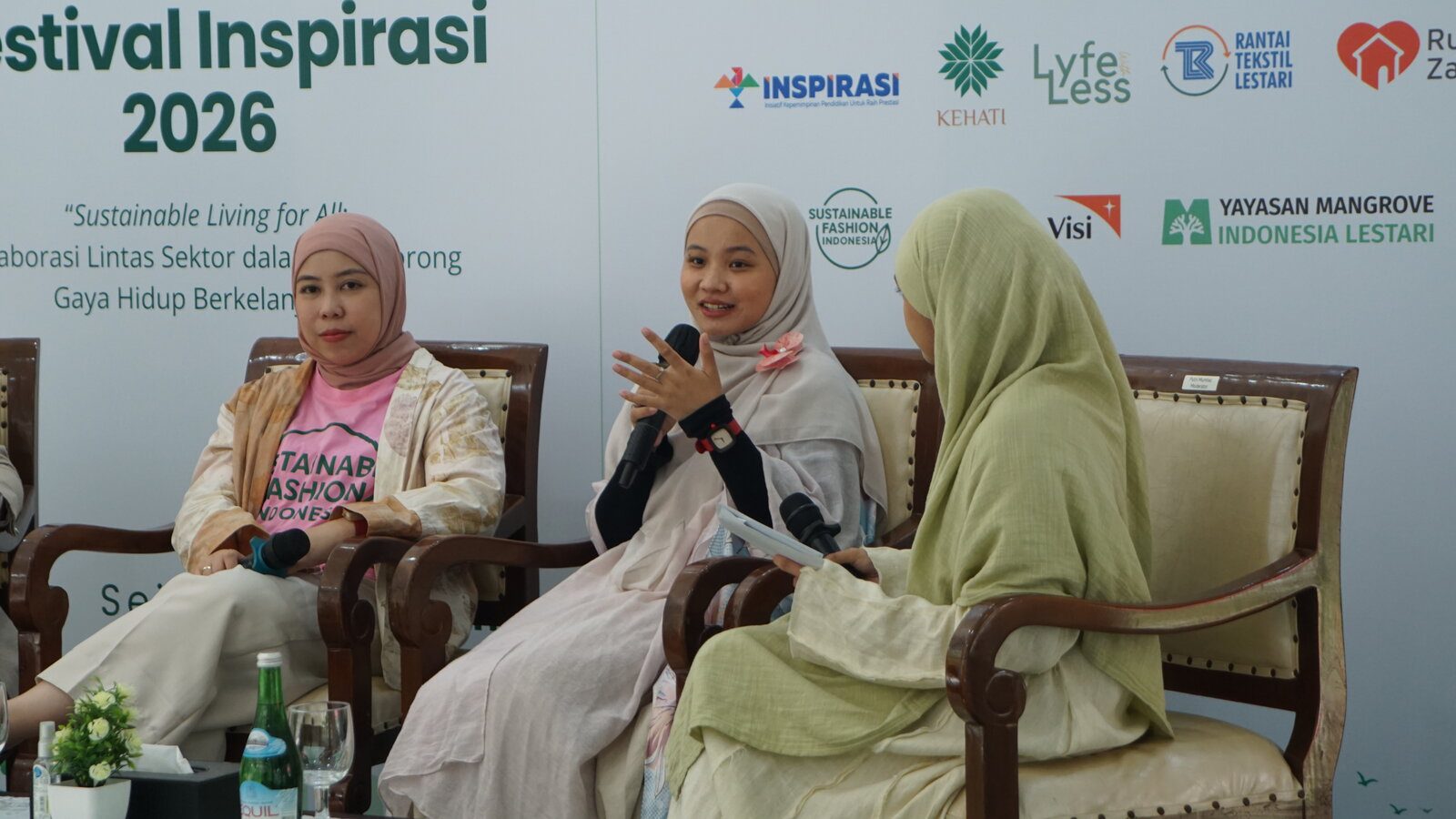
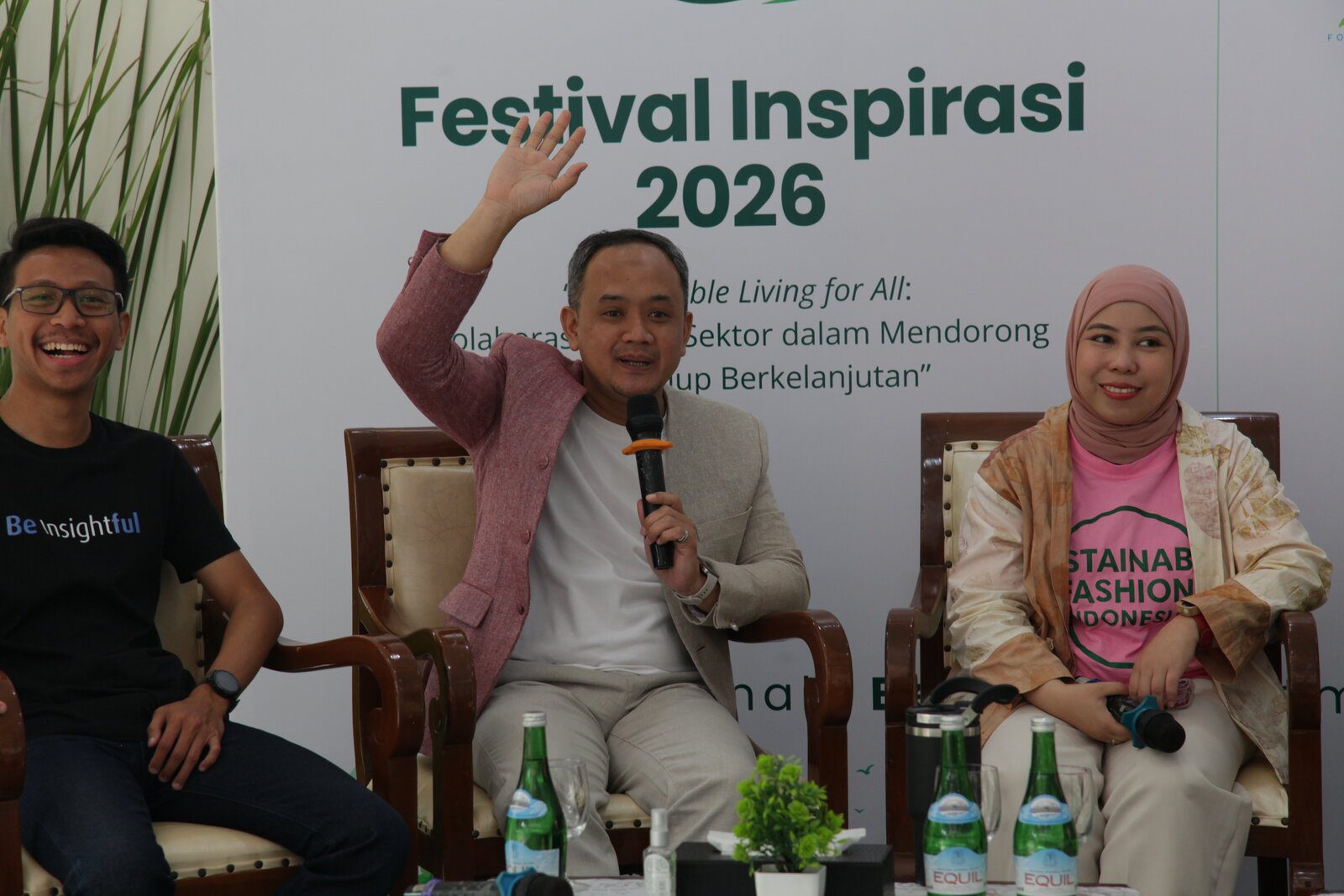
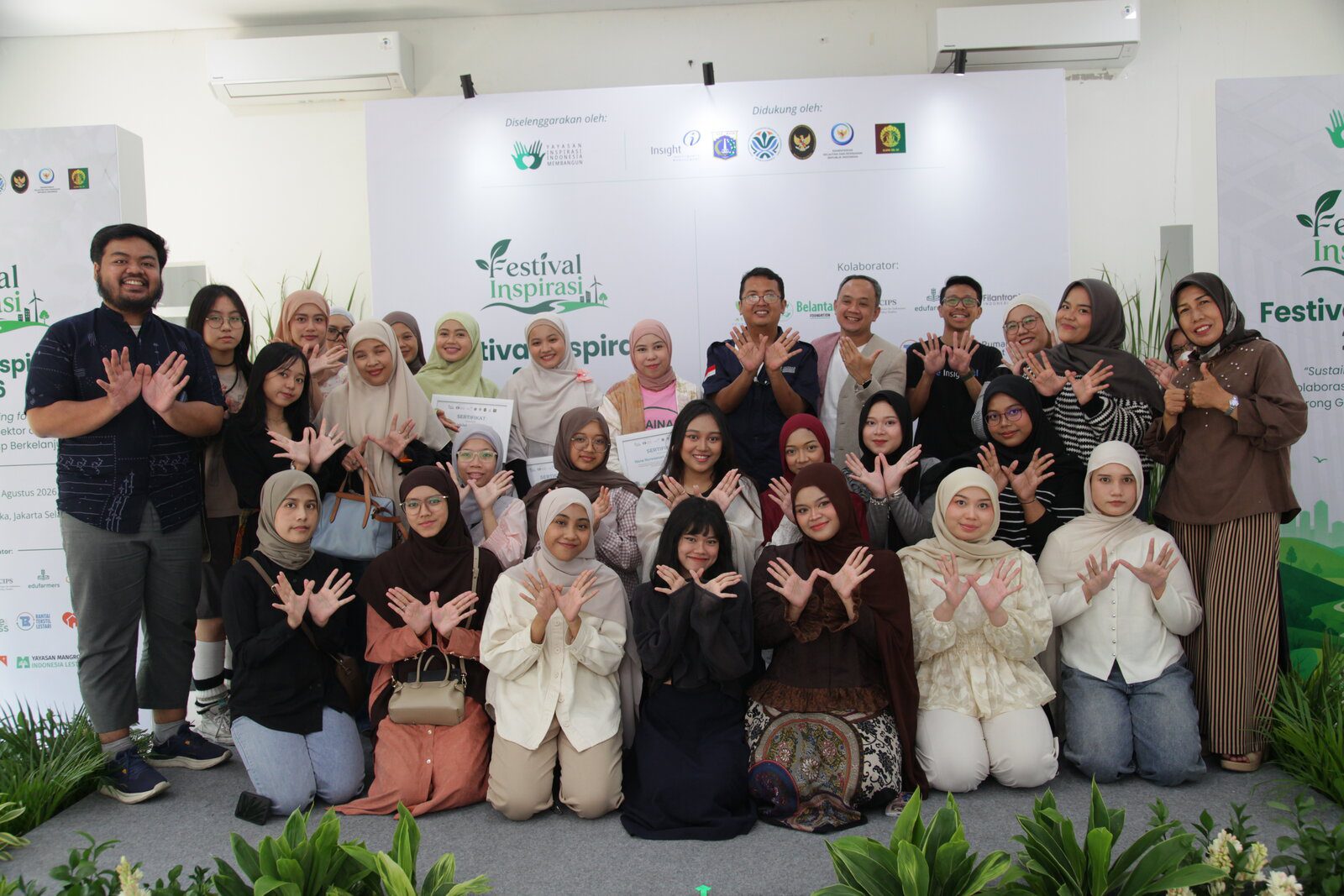
Wardrobe choices extend far beyond fleeting trends and personal aesthetics; they carry tangible consequences for our shared environment. The challenges of fast fashion and overconsumption formed the central focus of a panel discussion titled “Less Trend, More Impact: Mindful Consumption Towards Industrial Transformation” at Festival Inspirasi 2026, held at Taman Bendera Pusaka, South Jakarta, on Saturday, August 8, 2026.
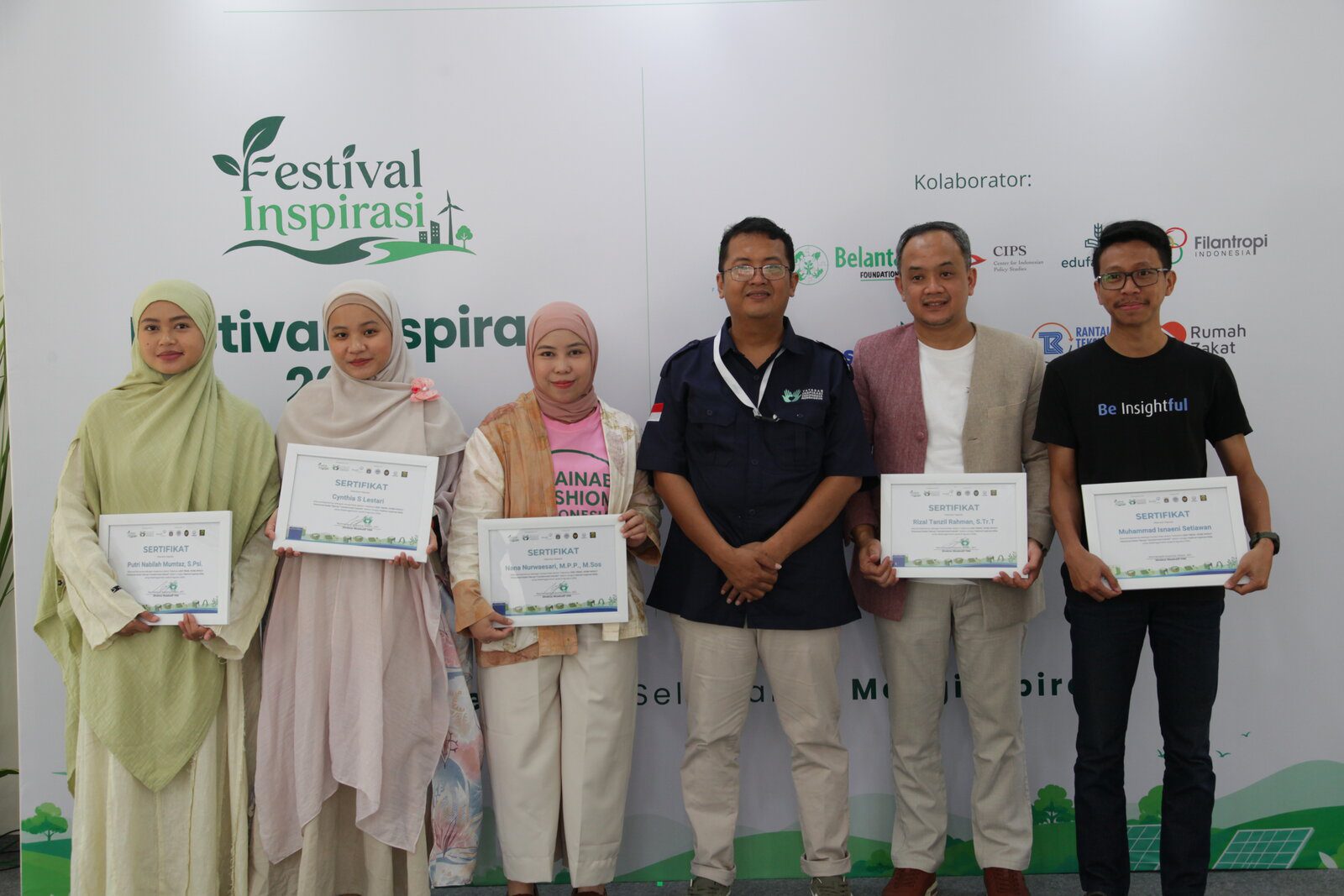
The talkshow brought together cross-sector sustainability advocates and industry leaders: Rizal Tanzil Rahman (Sustainability Manager at PT Pan Brothers Tbk and Board Member of Rantai Tekstil Lestari), Muhammad Isnaeni Setiawan (Head of CSR at PT Insight Investments Management), Nana Nurwaesari (Founder of Sustainable Fashion Indonesia), and Chyntia S. Lestari (Founder of Lyfe with Less). The discussion was moderated by sustainable fashion creator Putri Nabilah Mumtaz.
Examining the Full Textile Lifecycle
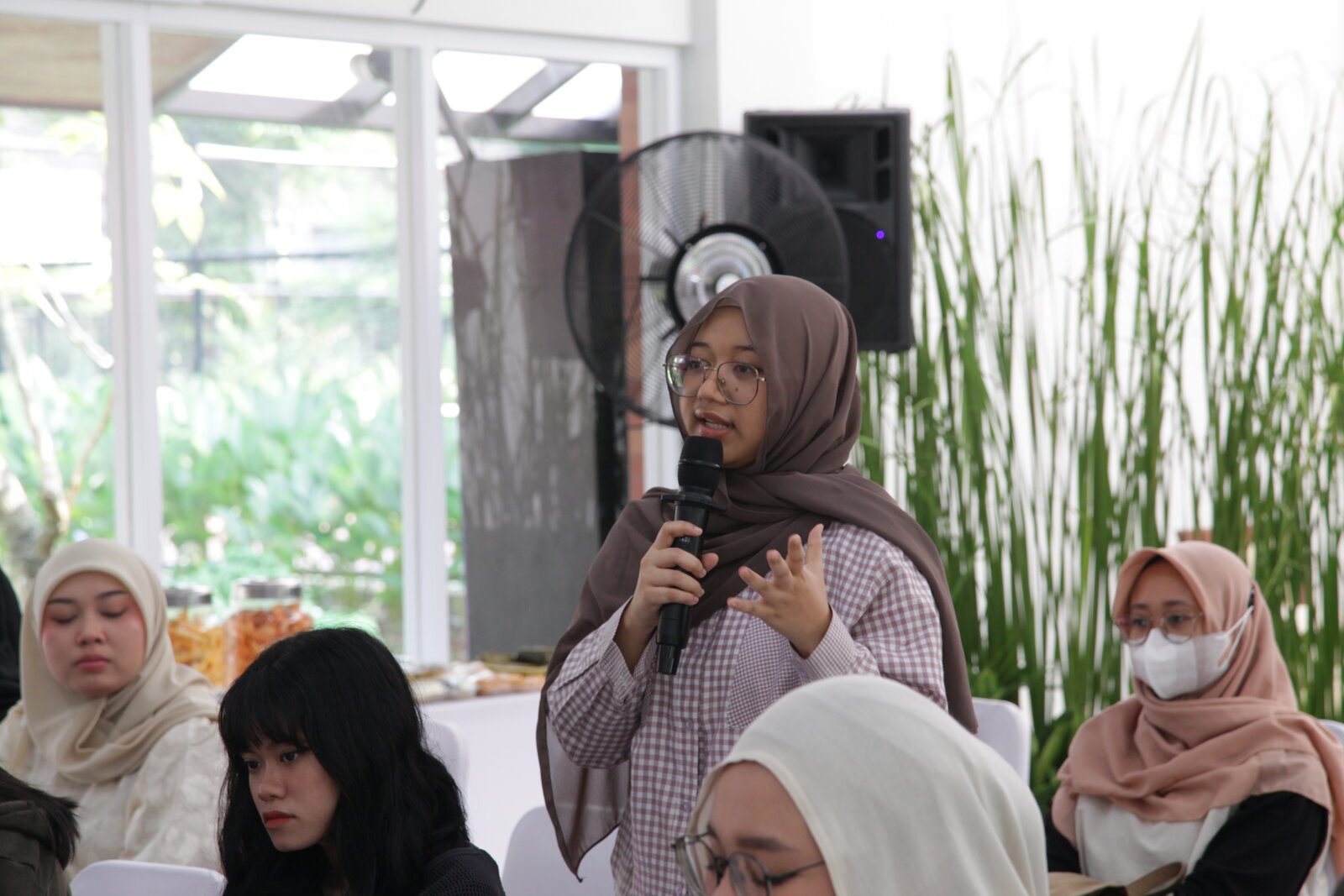
A group of 30 participants from diverse backgrounds attended the session to examine the textile lifecycle. Panelists unpacked the fashion crisis through two interconnected dimensions: upstream industrial production and downstream consumer habits.
On the industrial side, producing low-cost clothing at breakneck speed strains water reserves, burns energy, and discharges harmful chemical dye effluents. Manufacturers face growing responsibility to embrace circular manufacturing systems, improve resource efficiency, and select sustainable fibers to lower the sector’s environmental footprint.
At the same time, consumers hold tremendous leverage in guiding industry behavior. Sustainable progress requires a cultural shift in how individuals purchase, wear, and care for garments over time.
Practicing Mindful Consumption Daily
Mindful consumption does not mean abandoning personal style or the enjoyment of clothing. Instead, it encourages people to build an intentional relationship with their wardrobe by recognizing true needs, valuing the labor behind garments, and understanding the environmental cost of impulsive purchases.
The panel shared practical steps anyone can implement immediately:
- Assessing genuine needs: Pausing before purchases to curtail impulse buying driven by flash sales and fast-moving social media micro-trends.
- Prioritizing quality and durability: Investing in durable, versatile pieces engineered to last across multiple seasons.
- Maximizing existing garments: Styling versatile outfits, adhering to proper garment care routines, and mending damaged items rather than discarding them.
Festival Inspirasi 2026 underscored that a resilient fashion ecosystem demands shared accountability. Responsible production practices must run parallel with informed consumer choices to curb landfill textile waste and protect our natural environment.
This initiative directly supports the Sustainable Development Goals, notably SDG 9: Industry, Innovation, and Infrastructure, SDG 12: Responsible Consumption and Production, SDG 13: Climate Action, and SDG 17: Partnerships for the Goals.
Salam Inspirasi!
Additional Photo Documentation