
July 13, 2022
Infographic Monitoring and Development of Cross-Sector Social Entrepreneurship Alumni
YIIM and PT Pertamina Training and Consulting (PTC) published a post-training monitoring infographic report documenting business revenue growth and self-reliance achievements of alumni from disabled barista, hydroponic farming, and frozen food programs.
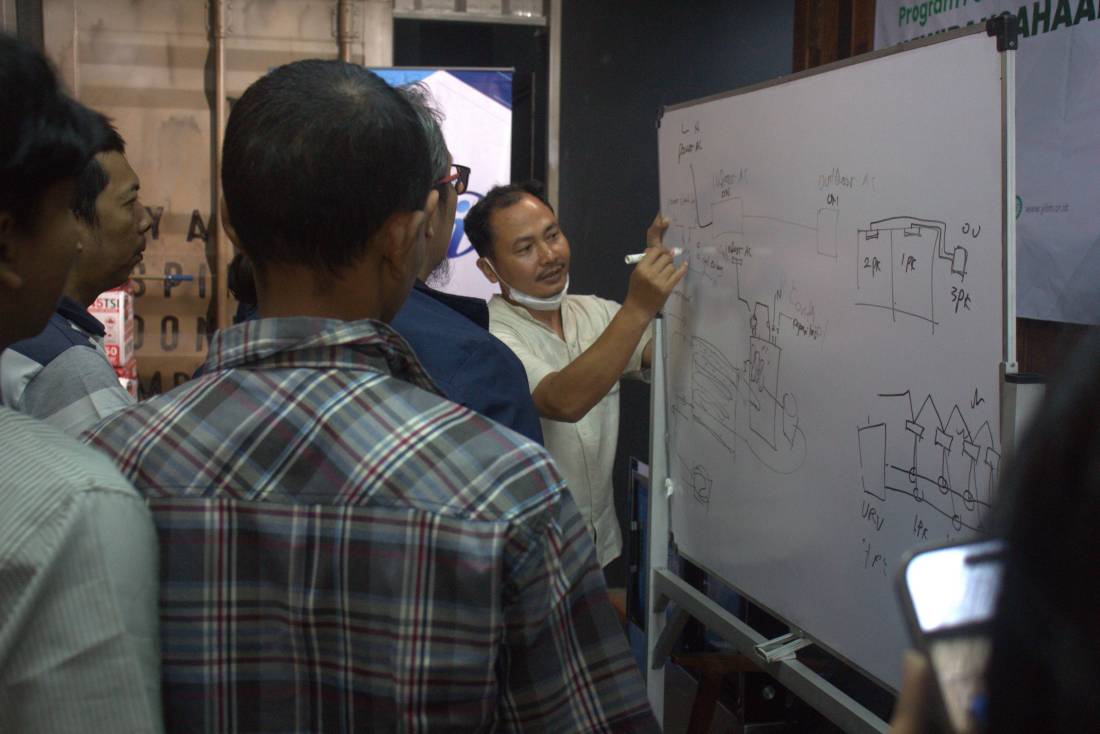
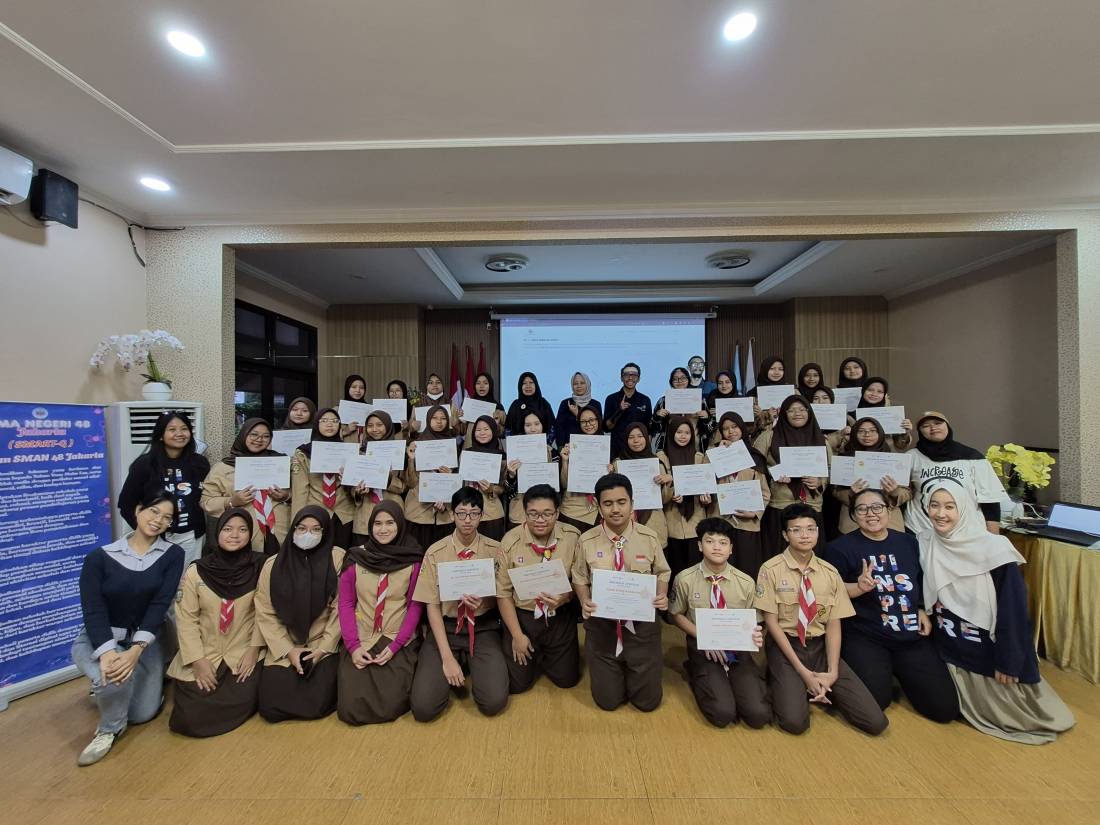
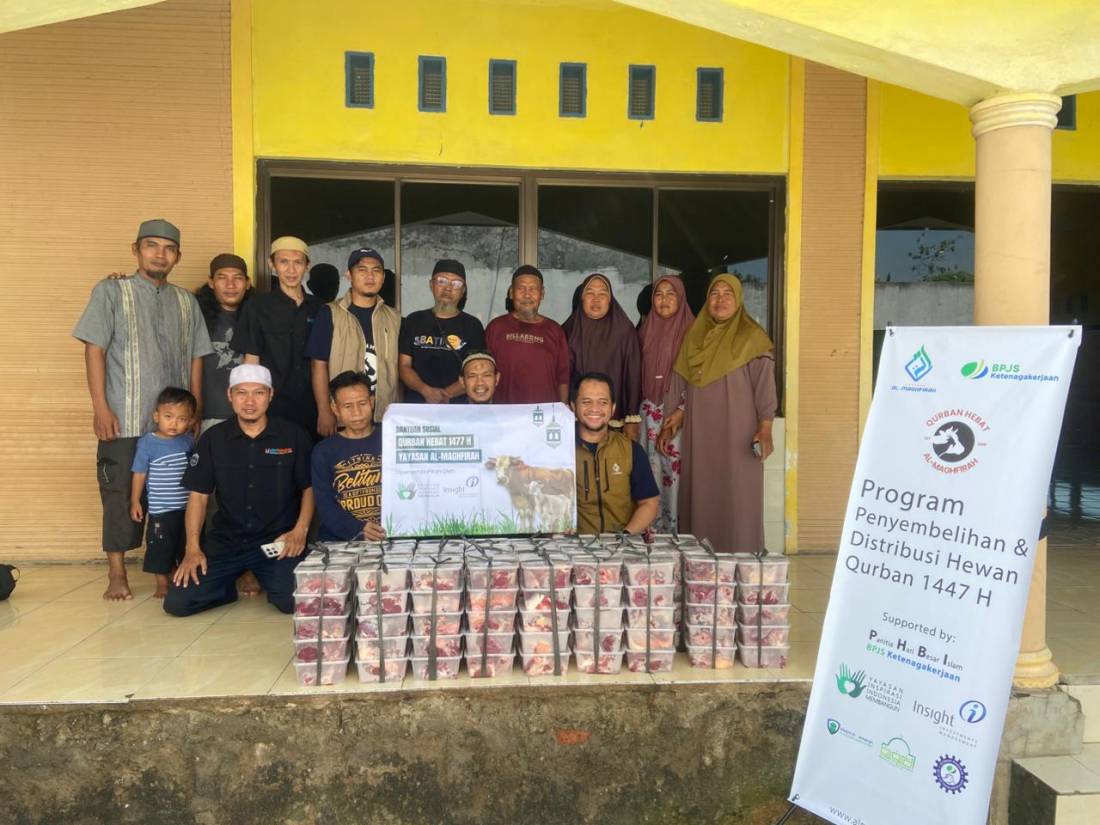
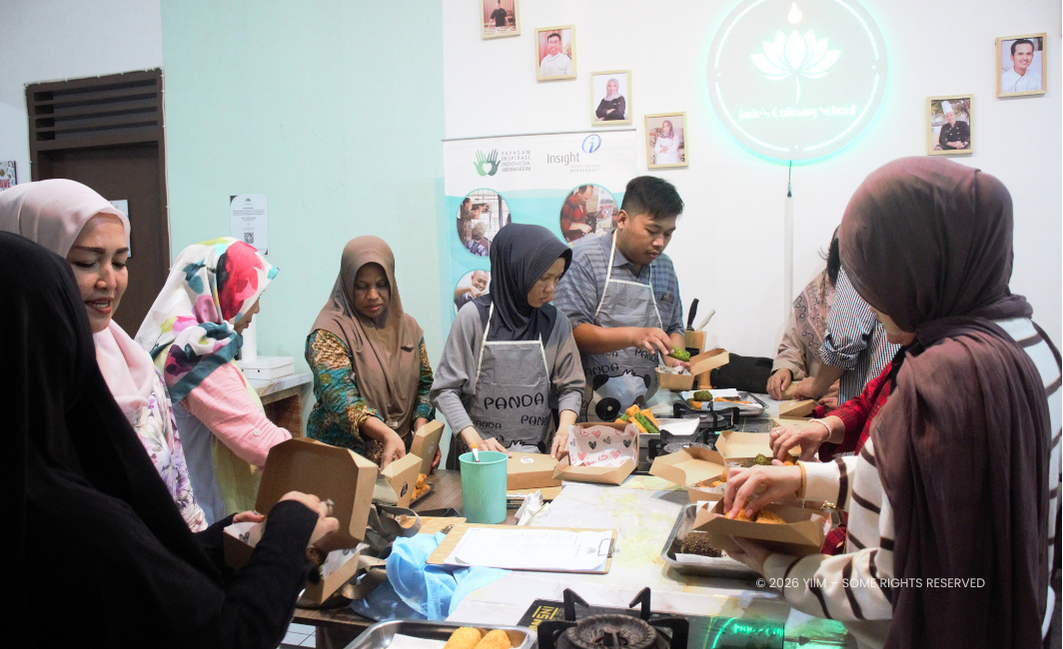


The Indonesian Inspiration Building Foundation (YIIM), together with its partner PT. Pertamina Training and Consulting (PTC), a subsidiary of PT. Pertamina (Persero), conducted a monitoring and evaluation of the development of alumni from the social entrepreneurship training held in 2021. This program is part of PTC’s corporate Social and Environmental Responsibility (TJSL) dedicated to the community.
The training was conducted both online and offline and consisted of three types of training: barista training, frozen food cooking training, and hydroponic training. This entrepreneurship training was attended by 129 people, consisting of 66 men and 63 women.
The average age of training alumni participants was at least 18 years and at most 56 years, with various backgrounds: 1# pre-prosperous community; 2# correctional clients; 3# physically disabled; 4# unemployed; 5# workers laid off due to Covid-19; 6# and fresh graduates not yet working.
This data was collected based on the monitoring results of the entrepreneurship training alumni over the past year following the training. The monitoring was conducted to provide assistance to alumni and to track the development of their businesses. Additionally, this data collection aimed to evaluate the training that had been conducted.
The obtained data will be presented using SWOT analysis (Strengths, Weaknesses, Opportunities, Threats) and displayed in the form of an infographic.
The first element is the strengths or advantages gained by alumni after participating in the social entrepreneurship training. A total of 90 alumni acquired hard skills such as cooking, coffee making, and hydroponic planting skills. There were 49 alumni who developed a resilient spirit to persistently run their businesses. Following the training, 37 alumni were brave enough to start their own businesses, such as opening coffee shops, catering services, and selling plant seeds. As many as 36 alumni made their businesses an alternative job and an additional source of income for the alumni and their families. Business development and innovation were also strengths perceived by 23 alumni of the entrepreneurship training.
The second element is the weaknesses or obstacles felt by alumni when starting or running their businesses. A total of 89 alumni had low fighting spirit and still lacked motivation to start a business. Furthermore, 74 alumni faced weaknesses in soft skills such as business bookkeeping, time management, digital literacy, and marketing. There were 17 alumni who found it difficult to start a business due to a lack of capital. Due to this lack of capital, some alumni ran their businesses based on available funds, causing their businesses to not develop significantly. There were 16 alumni who wanted to develop their businesses but felt they lacked product innovation. Another weakness experienced by 10 alumni in running their businesses was a lack of Human Resources (HR). Because of limited manpower, additional HR was needed, but the alumni found it difficult to find such HR. During their business operations, 8 alumni felt that their business locations were not strategic, leading to low customer footfall.
The third element is the opportunities from external factors that support alumni in running their businesses. A total of 49 alumni gained access to entrepreneurial networks or communities, one of which was the UMKM (Micro, Small, and Medium Enterprises) community. Next, 85 alumni received assistance from YIIM and PTC through visits, joint discussions via Zoom meetings, monitoring through groups and phone calls, and business support. The development of digital technology also presented an opportunity for 20 alumni by utilizing social media and e-commerce platforms such as Facebook, Tokopedia, Shopee Food, GoFood, and GrabFood for selling. Additionally, 15 alumni seized opportunities through access to government assistance in the form of business licensing and organizing bazaars for UMKM.
The fourth element is the threats from external factors that hinder alumni from starting or running their businesses. 58 alumni felt that the pandemic conditions and the sluggish economy posed a threat to their businesses. This led to quiet businesses and soaring raw material prices. The un-recovered purchasing power of the community was also a threat for 13 alumni. The cause was a lack of customers and reduced or even loss-generating income for business owners. The final threat was business competition, experienced by 10 alumni. Facing this competition, the alumni constantly sought ways to keep their businesses running well.
Based on the collected data, it can be concluded that after the monitoring, many training alumni began to be brave enough to start businesses and make these businesses their main source of income for themselves and their families. Additionally, the alumni gained broader entrepreneurial networks to develop their businesses. However, over the past year, there have been several weaknesses, threats, and obstacles that need to be addressed to strengthen the presence and role of micro and small business actors as supporting elements of the Indonesian economy.
YIIM and PTC hope that this program can build a blueprint for creating new Micro and Small Business actors, thereby increasing the quantity and quality of these actors, making them more adaptive to the developments of the times and technology. Furthermore, this infographic is expected to serve as effective input for strengthening the roadmap of social entrepreneurship training, making the goals to be achieved and the benefits to be generated clearer.
Salam Inspirasi!